


Useful articles

Vitiligo and Pigment Spots: Causes and Treatment — Saba Darmon
Doctor's blog
sbdrmn
Skin patches are unsettling mostly because they are unpredictable: it is unclear why they appeared, whether they will spread and what to do about them. Yet a "pigment spot" is not a diagnosis but an appearance, and very different processes sit behind it. Which one you have determines both the treatment and the outlook.
Two opposite phenomena
Melanin is the pigment that gives skin its colour. Disorders come in two directions: less of it (hypopigmentation, as in vitiligo) or more of it in certain areas (hyperpigmentation — melasma, sun spots, marks left after inflammation). They look different and should not be confused.
Vitiligo
Sharply outlined patches of completely white skin appear. This is an autoimmune process: the immune system damages melanocytes, the cells that produce pigment. Vitiligo is not contagious, does not hurt and is not dangerous in itself, but it affects confidence and quality of life considerably, especially on the face and hands.
Typical sites are around the mouth and eyes, the hands, elbows, knees, natural folds and previously injured skin. Hairs within a patch may turn white too. The course is unpredictable, with periods of stability and periods of rapid spread.
Melasma
Symmetrical brownish patches with blurred edges, most often on the forehead, cheeks and above the upper lip. It is linked to hormonal change — pregnancy, hormonal medication — and always worsens with sun exposure. It affects women predominantly.
Solar lentigines and post-inflammatory pigmentation
The first are flat brown spots on sun-exposed skin, the result of years of accumulated ultraviolet. The second are dark marks where inflammation has healed: acne, a burn, a scratch, an allergic reaction. Both fade gradually with sun protection, but it takes months.
Why the thyroid is checked in vitiligo
Vitiligo is an autoimmune disease, and such conditions frequently cluster together. The most common association is with autoimmune thyroid disease. The standard work-up therefore includes thyroid hormones and antibodies, a full blood count, glucose and, where indicated, further tests. Not infrequently a visit about skin patches is what uncovers a thyroid disorder the person knew nothing about.
How the diagnosis is made
- Examination under a Wood's lamp — under ultraviolet light vitiligo patches fluoresce characteristically, which distinguishes them from other white patches and reveals areas not yet visible to the naked eye.
- Dermoscopy — magnified examination, essential for any pigmented lesion so that a dangerous growth is not missed.
- Laboratory tests — the thyroid above all.
- Assessing activity — the doctor establishes whether the process is stable or spreading, which directly determines treatment.
Warning signs deserve a separate mention. If a pigmented lesion changes shape or colour, grows, has irregular edges or uneven colouring, bleeds or itches, show it to a doctor without delay. That has nothing to do with vitiligo, but those are exactly the changes that must not be overlooked.
Modern approaches to treating vitiligo
There is no universal solution, but the options have widened in recent years. The approach depends on the area affected, its location and how active the process is.
- Topical treatment — preparations that suppress the local immune reaction. For the face and folds, agents suitable for prolonged use are chosen.
- Narrowband ultraviolet phototherapy — the mainstay for widespread vitiligo, given several times a week as a course. Melanocytes survive in hair follicles, and the light stimulates them to restore pigment; that is why repigmentation often starts as dots around individual hairs.
- Combined regimens — topical treatment plus phototherapy is usually more effective than either alone.
- Surgical techniques — transplantation of the patient's own melanocytes, considered only for stable disease in limited areas.
- Camouflage — long-wear cosmetic cover. Not a treatment, but a genuine way to restore confidence while therapy continues.
The main thing doctors emphasise is that results come slowly. The first signs of repigmentation are not assessed before several months of consistent treatment. The face and neck respond best, the hands and feet worst. Interrupting a course almost always means losing the ground gained.
What matters with any kind of patch
- Sun protection. In vitiligo, depigmented skin has no defence and burns easily. In melasma and lentigines, ultraviolet is the main factor that darkens the patches. High-factor protection is needed all year, not only in summer.
- Do not try to bleach patches yourself. Harsh home remedies and unsuitable acids cause inflammation, which leaves even more stubborn pigmentation behind.
- Protect the skin from injury. In active vitiligo new patches often appear where the skin has been cut, burned or rubbed.
- Do not put off the appointment. Early, small patches respond considerably better than long-standing ones.
Common questions
Is vitiligo inherited?
It is not inherited directly, but a predisposition exists: some patients have relatives with vitiligo or other autoimmune conditions.
Can vitiligo resolve on its own?
Spontaneous repigmentation happens but is uncommon and usually incomplete. It is not something to rely on instead of treatment.
Do vitamins help?
Correcting confirmed deficiencies is worthwhile, but vitamins do not restore pigment on their own and do not replace treatment.
Can sunbathing make the patches less noticeable?
No. A tan increases the contrast and raises the risk of burning unprotected skin.
Will melasma go away after pregnancy?
It often fades over several months, but returns with strong sun exposure. Ultraviolet protection matters more here than any cream.
At Saba Darmon Medical Center consultations for skin conditions are combined with laboratory testing and an endocrinology review, so associated disorders are identified during the same visit.
This article is for information only and does not replace a medical consultation. See a specialist for an accurate diagnosis.
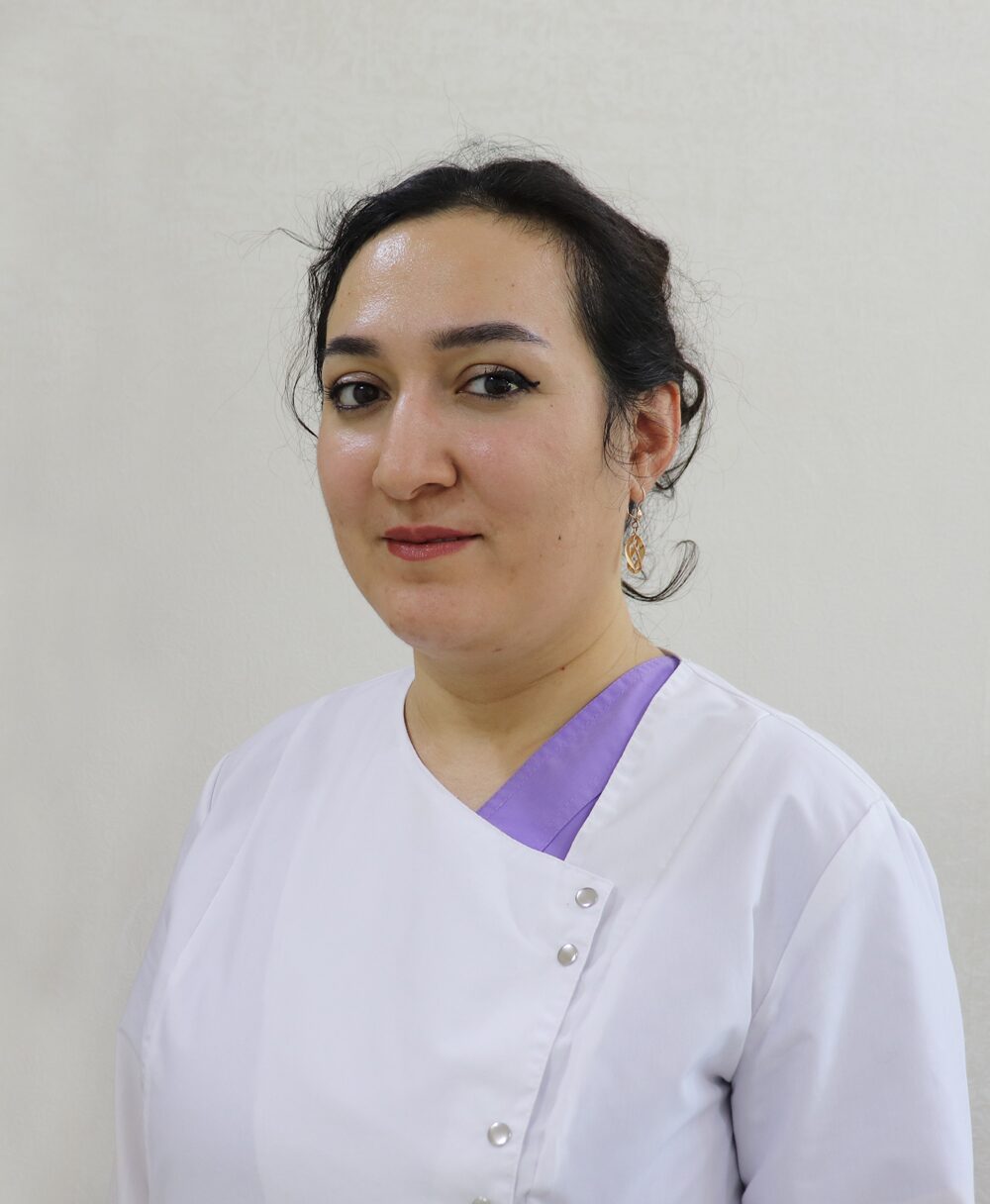
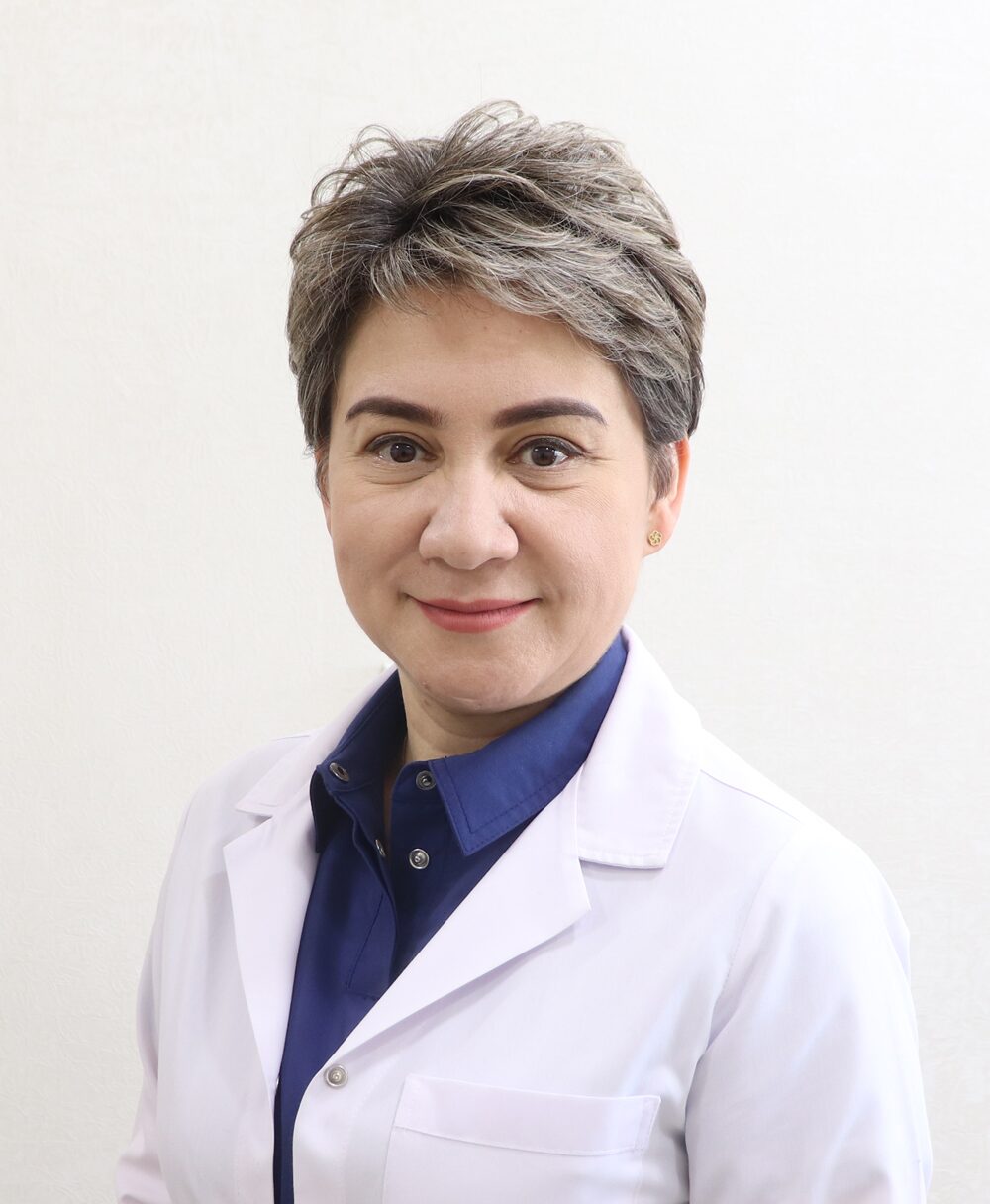
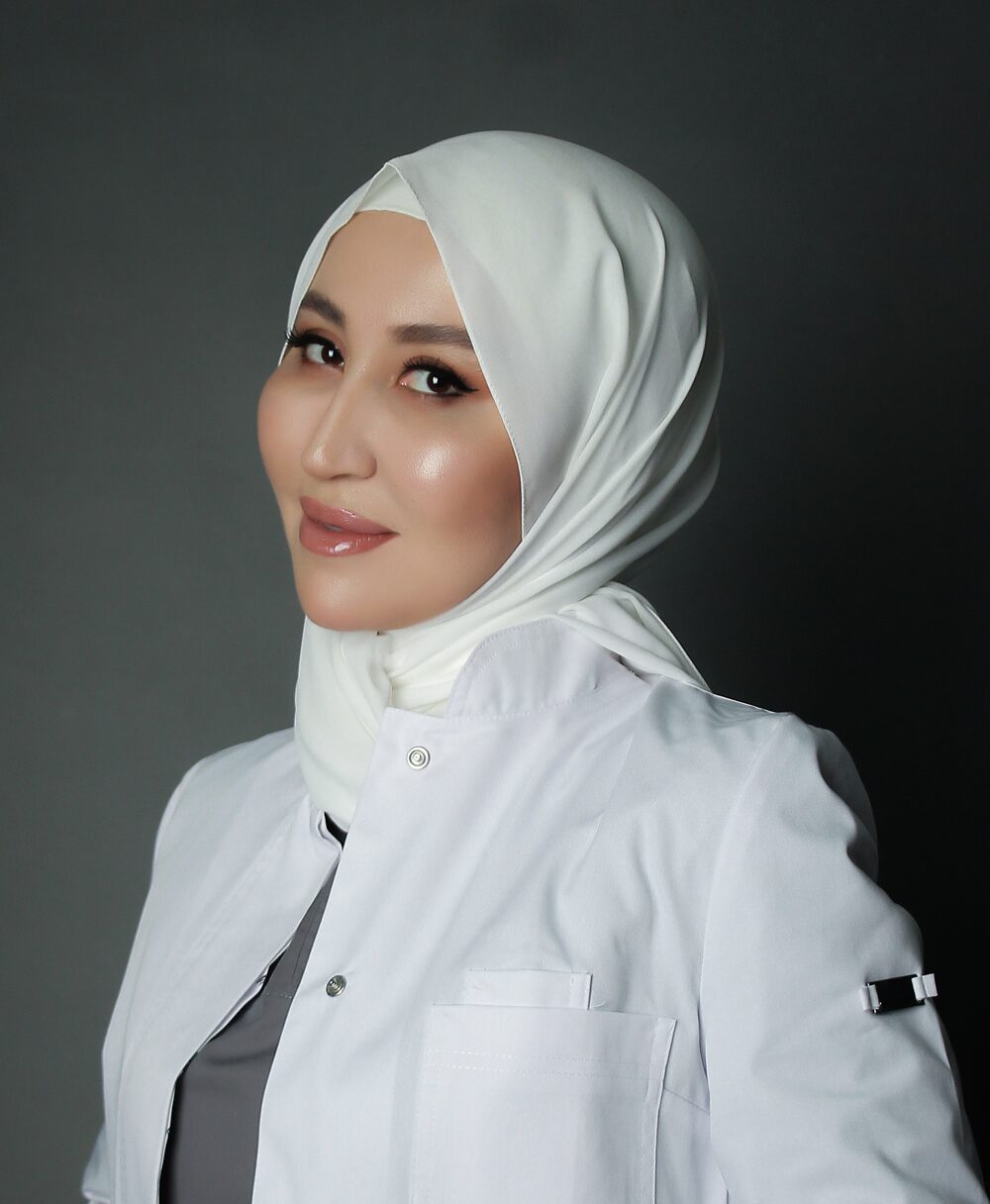
Doctors in this field

Saba Darmon Medical Center — contacts
📍 7A/3 Nurafshon street, Tashkent
📞 +99871 210-30-30 · WhatsApp +998 95 662-30-30
✉️This email address is being protected from spambots. You need JavaScript enabled to view it.
🌐 Instagram · Telegram · Facebook · YouTube
📞 +99871 210-30-30 · WhatsApp +998 95 662-30-30
✉️
🌐 Instagram · Telegram · Facebook · YouTube