


Useful articles

Painful Sex in Women (Dyspareunia): Causes and Treatment
Doctor's blog
sbdrmn
Direction: Robotic surgery · All services
Painful sex in women (the medical term is dyspareunia) is a common complaint: the pain may be felt at the entrance to the vagina, deep in the pelvis or afterwards. Many women feel too embarrassed to mention it or assume it is “just how things are”, yet pain is not normal and there is almost always a specific cause. Below we explain what lies behind superficial and deep pain, how a gynaecologist assesses it, which treatments are available and which signs need urgent help.
Contents
- What is painful sex (dyspareunia)?
- Superficial and deep pain: what is the difference?
- Causes of superficial pain: infection, dryness and vaginismus
- Causes of deep pain: endometriosis, infection and others
- When to seek medical help urgently
- How painful sex is assessed
- Treatment for painful sex
- What you can do yourself: talking to your partner and self-care
- Seeing a gynaecologist at Saba Darmon clinic
- Frequently asked questions
What is painful sex (dyspareunia)?
Dyspareunia is the medical term for pain that keeps coming back just before, during or after sex. It can feel like burning, stinging, tightness or a deep, dull ache low in the tummy. A great many women experience it at some point in their lives — after childbirth, while breastfeeding, after the menopause or because of a gynaecological condition. Even so, it is not something you simply have to put up with. Pain is a signal from the body: the cause may be an infection that is easy to treat, or a condition that deserves a proper assessment.
When pain goes on for a long time, it is natural to start expecting it and to tense the muscles without meaning to. That makes the pain worse, the worry grows, and a vicious circle sets in. This is why it helps to seek advice early: in most cases dyspareunia clears up completely or improves a great deal once the cause has been found.
Superficial and deep pain: what is the difference?
The first thing a doctor will want to know is where exactly it hurts. Superficial dyspareunia is felt around the vulva and at the entrance to the vagina, usually right at the start of sex. Deep dyspareunia is felt inside the pelvis, low in the abdomen; it often depends on position and may linger for several hours afterwards. The two types have different causes, so describing the pain as precisely as you can makes the diagnosis much quicker.
| Feature | Superficial pain | Deep pain |
|---|---|---|
| Where it hurts | Vulva and entrance to the vagina | Inside the pelvis, lower abdomen, sometimes the lower back |
| When it starts | At the beginning of sex, on touch | With deep penetration, in certain positions, afterwards |
| What it feels like | Burning, stinging, soreness or rubbing | Dull, dragging, pressing |
| Common causes | Infection, dryness, skin conditions, vaginismus, scars after childbirth | Endometriosis, adenomyosis, pelvic infection, ovarian cyst, fibroids, adhesions |
| Other symptoms | Itching, discharge, redness, small splits in the skin | Painful periods, mid-cycle pain, needing to pass urine often |
Causes of superficial pain: infection, dryness and vaginismus
Pain at the entrance to the vagina is most often linked to one of the following:
- Infections. Thrush (candida) and bacterial vaginosis leave the lining irritated and sensitive, with itching, burning and an unusual discharge.
- Dryness. When oestrogen levels fall, the vaginal lining becomes thinner and less moist. This happens during breastfeeding, after the menopause and sometimes with certain hormonal contraceptives or other medicines.
- Skin conditions. In lichen sclerosus the skin becomes pale, thin and easily damaged; eczema and allergic irritation can also cause soreness.
- Vulvodynia. Burning pain in the vulva lasting more than three months with no visible cause; even light touch may hurt.
- Vaginismus. The muscles around the vagina tighten involuntarily. A woman does not choose this and cannot control it; fear of pain is often part of the picture.
- Scars after childbirth — tissue at the site of a tear or cut can stay tender for some time.
- Bartholin’s cyst — a painful lump beside the vaginal opening; see our article on Bartholin’s cyst and abscess.
Causes of deep pain: endometriosis, infection and others
Pain felt deep in the pelvis usually comes from the womb, ovaries or neighbouring organs:
- Endometriosis — tissue similar to the lining of the womb grows outside it. This is one of the commonest causes of deep pain and usually goes together with painful periods (read more: endometriosis and ovarian cysts).
- Adenomyosis — the same kind of tissue grows into the muscle wall of the womb, which becomes enlarged and tender (about adenomyosis).
- Pelvic inflammatory disease — an infection that has spread upwards to the womb and tubes; there may be a fever and discharge.
- Ovarian cysts and fibroids — larger growths can cause pressure and pain.
- Adhesions — bands of scar tissue between organs after surgery or a past infection.
- Prolapse of the vaginal walls or womb — a feeling of pressure and discomfort (cystocele and rectocele).
- Bladder pain syndrome and bowel conditions — pain can also come from nearby organs.
Sometimes there is more than one cause at once, and emotional factors — tiredness, stress, difficulties in a relationship, a painful experience in the past — can make pain worse. That does not mean the pain is “all in the mind”: body and mind are closely linked.
When to seek medical help urgently
Dyspareunia is usually a reason for a routine appointment, but some signs should not wait.
See a gynaecologist within the next few days if you have bleeding after sex or repeated blood-stained discharge — the cervix needs to be checked (HPV screening and cervical checks); if the pain has appeared for the first time after the menopause; or if lower abdominal pain comes with a fever and an unpleasant-smelling discharge. If the pain is sudden and severe, especially with nausea, weakness, dizziness or fainting, it may be a ruptured or twisted ovarian cyst (ovarian rupture and torsion): call 103 immediately.
How painful sex is assessed
The appointment starts with a conversation, and that is the most important part of the visit. The gynaecologist will ask when the pain began, where you feel it, whether it changes with your menstrual cycle, about any births and operations, and which medicines you take. Some questions may feel personal, but they are needed to find the cause; if something is hard to talk about, just say so.
An examination is carried out only with your consent and as gently as possible, and you can ask for it to stop at any time. The doctor looks at the skin and the vaginal lining and checks for tender areas. If needed, swabs are taken to test for infection and a pelvic ultrasound scan is done, which can show cysts, fibroids and signs of adenomyosis. A diagnostic laparoscopy is discussed only when there is a clear reason, for example a strong suspicion of endometriosis when treatment has not helped.
Treatment for painful sex
Treatment depends on the cause, and several approaches are often combined.
| Cause | What usually helps |
|---|---|
| Infection | Antifungal or antibiotic treatment prescribed by a doctor; a break from sex until it has cleared |
| Dryness | Lubricants and vaginal moisturisers; after the menopause, vaginal oestrogen if your doctor recommends it |
| Skin conditions | Prescribed creams or ointments, gentle skin care, regular follow-up |
| Vaginismus, muscle tension | Pelvic floor physiotherapy, gradual use of vaginal trainers (dilators), psychological support |
| Vulvodynia | Pain management, physiotherapy and counselling; the plan is tailored to each woman |
| Endometriosis, adenomyosis | Hormonal treatment and pain relief; surgery in selected cases |
| Cyst, fibroids, prolapse, scar tissue | Monitoring, or surgery when there is a clear indication |
Do not start or stop medicines on your own: symptoms that look the same occur in quite different conditions, and the wrong product can make things worse. Seeing a psychologist or a sex therapist is not a “last resort” but a full part of treatment, because it helps break the cycle of fearing the pain.
What you can do yourself: talking to your partner and self-care
- Pain is a reason to stop. Carrying on through pain makes the problem more entrenched. Tell your partner openly what hurts and what feels comfortable.
- Take your time. Unhurried foreplay and a relaxed setting help natural lubrication; find comfortable positions together.
- Use a lubricant — water-based or silicone-based, without perfume.
- Keep hygiene gentle. Perfumed soaps, douching and synthetic underwear irritate the delicate skin.
- Keep a note of the days of your cycle and the situations in which pain is worse — this is useful for your doctor.
Seeing a gynaecologist at Saba Darmon clinic
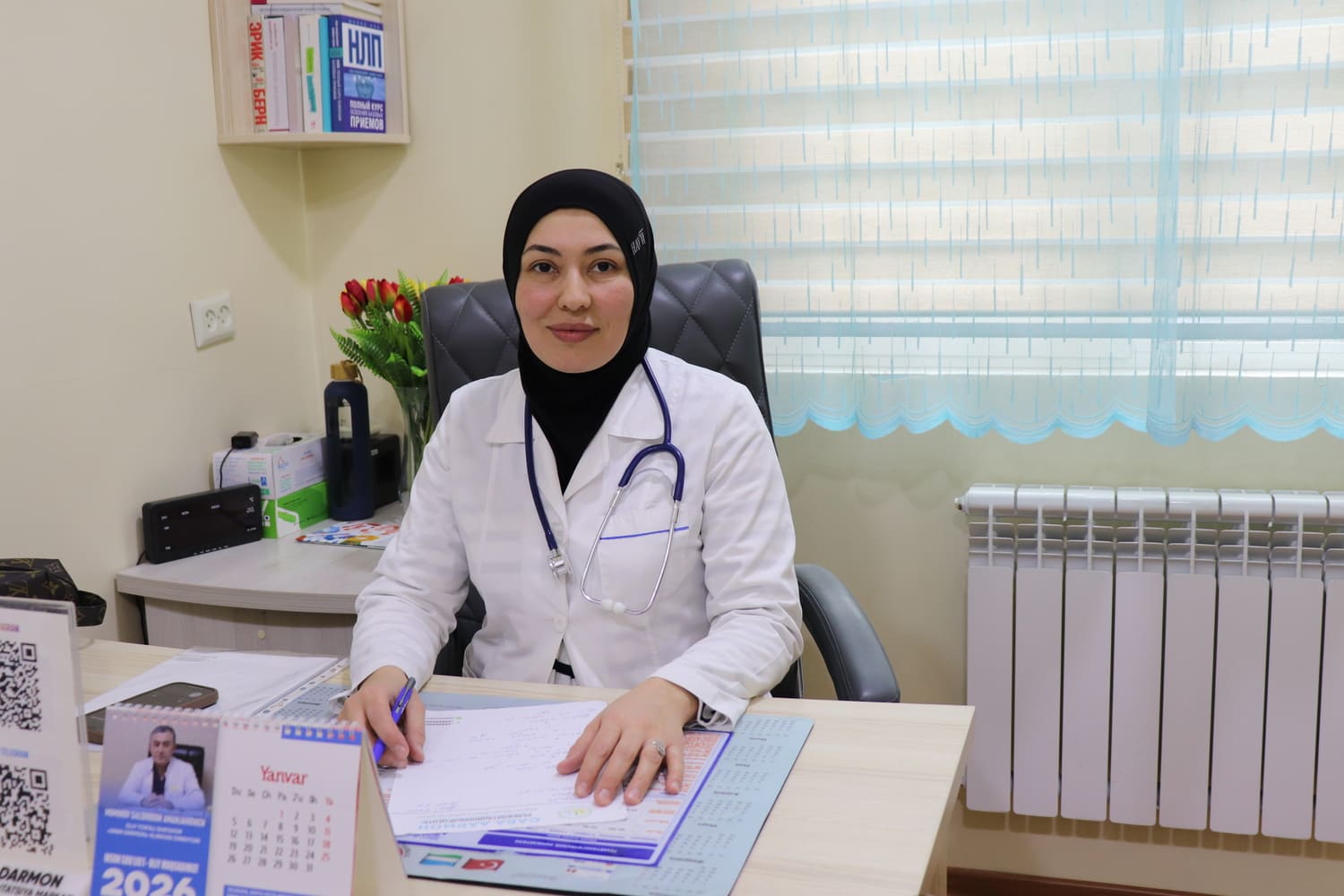
Talking about pain during sex is not easy, but for a gynaecologist it is an everyday medical complaint. At Saba Darmon clinic you can see a gynaecologist, have swabs and laboratory tests taken and a pelvic ultrasound scan done. Based on the results, the doctor will draw up a treatment plan, refer you to another specialist if needed and discuss the next steps with you. Bring the date of your last period, a list of the medicines you take and any previous scan or test results. Good questions to ask are: what is the likely cause, which tests do I need, how long will treatment take, and is there anything I should avoid in the meantime? You can book through our gynaecology department.
Frequently asked questions
Is it normal for sex to be painful?
No. Painful sex is common, but it is not normal and you do not have to put up with it. There is usually a specific cause behind it: an infection, dryness, involuntary muscle tightening, endometriosis or another gynaecological condition. Once the cause is found, most women find that the pain goes away completely or eases a great deal. If it has happened several times, do not feel embarrassed to see a gynaecologist — for a doctor this is an everyday medical question.
When does painful sex after childbirth go away?
Pain after childbirth affects many women: scar tissue stays tender, and while you are breastfeeding low oestrogen levels cause dryness. It usually eases gradually over a few months; a lubricant and taking things slowly both help. If the pain is severe, is not improving, or you notice tightness or a lump around the scar, see a gynaecologist, who will check how the scar has healed and discuss suitable treatment with you at the gynaecology department.
What is vaginismus and can it be treated?
Vaginismus is an involuntary tightening of the muscles around the vagina that makes sex, using a tampon or a gynaecological examination painful or impossible. It is not a woman’s fault and it is not something she is doing on purpose: the muscles tighten by themselves in anticipation of pain. Vaginismus responds well to treatment, which includes pelvic floor physiotherapy, gradual practice with vaginal trainers and psychological support. Treatment is unhurried and goes at the pace the woman sets herself.
What should I do if sex becomes painful after the menopause?
After the menopause oestrogen levels fall and the vaginal lining becomes thinner and drier — this is the commonest cause of pain. Vaginal moisturisers, lubricants and vaginal oestrogen recommended by your doctor usually help a great deal. However, pain that is new at this age, or any blood-stained discharge, should always be checked so that other causes can be ruled out. It is best not to choose treatment on your own.
Can deep pain be a sign of endometriosis?
Yes, it can. Endometriosis is more likely if deep pain comes together with painful periods, pelvic pain at other times in the cycle or difficulty getting pregnant. However, adenomyosis, ovarian cysts, pelvic infection and adhesions can cause similar pain. A gynaecologist works out the cause from your history, an examination and an ultrasound scan, and arranges further tests if they are needed. An early diagnosis makes treatment easier.
Related reading:
Doctors for consultation
Our gynaecologists assess and treat the causes of painful sex. Our doctors in this field:






Book an appointment with a gynaecologist
Is painful sex troubling you? A gynaecology consultation will help find the cause and choose the right treatment.
Call now — +998 71 210-30-30Contacts
Address: 7A/3 Nurafshon street, Tashkent
Phone: +998 71 210-30-30 · WhatsApp: +998 95 662-30-30
Opening hours: Monday–Saturday, 09:00–18:00
E-mail: