


Useful articles

Infant Colic: How to Soothe Your Baby's Tummy Pain — Saba Darmon, Tashkent
Doctor's blog
sbdrmn
Infant colic means episodes of prolonged crying without an obvious reason in a healthy baby during the first months of life. It frightens parents a lot, but in most cases it is harmless and resolves on its own. The pediatricians of Saba Darmon Medical Center explain how to help your baby during colic and when to see a doctor.
What colic is and when it starts
Colic is bouts of tummy pain related to gas and the immaturity of a baby's digestive system. Pediatrics uses the «rule of threes»: colic is diagnosed when crying lasts more than 3 hours a day, more than 3 days a week and longer than 3 weeks. Episodes usually begin at 2–3 weeks of age, peak around 6 weeks and stop by 3–4 months.
Signs: how to recognize colic
- the baby suddenly starts crying loudly, most often in the evening;
- pulls the legs up to the tummy, clenches the fists, the face turns red;
- the belly is bloated and relief comes after passing gas;
- between episodes the baby is calm, feeds well and gains weight.
The last point is very important: with colic, the general condition, appetite and weight gain are not affected. If they are — the cause must be investigated further.
Why colic happens
- immaturity of the digestive system and gut microbiota;
- swallowing air during feeding — poor latch or a large hole in the bottle teat;
- sensitivity to some foods in the mother's diet (most often cow's milk protein);
- overtiredness and an excitable nervous system.
How to soothe the tummy pain
Every baby responds to a different method — try them one by one:
- tummy massage — gentle clockwise strokes around the navel;
- the «bicycle» exercise — bending the legs helps release gas;
- hold the baby upright for 10–15 minutes after feeding so the air comes up;
- a warm (not hot!) cloth or a warm hand on the tummy;
- lying tummy-down on the mother's chest — skin-to-skin contact;
- rocking, white noise, a calm environment;
- for a breastfeeding mother — track gas-forming foods (cabbage, legumes, excess milk).
Medications — simethicone drops, probiotics, herbal teas — should be used only on a pediatrician's advice. Drops recommended «by a neighbour» are not always helpful.
When to see a doctor urgently
The following signs may indicate illness rather than colic:
- fever, lethargy, paleness;
- frequent projectile vomiting;
- blood or mucus in the stool, marked diarrhea or constipation;
- no weight gain or weight loss;
- crying that does not stop during the day and a baby who cannot be comforted.
In this situation, do not self-treat — a pediatrician's examination is necessary.
Colic in formula-fed babies: what to watch
In formula-fed babies, a poorly chosen formula and feeding technique play a special role among colic causes. If the hole in the teat is too large, the baby swallows a lot of air with the milk; if too small — the baby tires and again swallows air. Anti-colic bottles and teats reduce air swallowing. Decide on changing the formula only together with your pediatrician: frequent switches upset digestion even more. If cow's milk protein allergy is suspected, the doctor may recommend a special therapeutic formula.
For parents: take care of yourself too
A baby crying for hours is a trial for the whole family. Remember: colic is not your fault and does not threaten your baby's health. When exhaustion peaks, put the baby in a safe place — the crib — and take 5–10 minutes to catch your breath. Never shake an infant — it causes severe injuries. Do not hesitate to ask relatives for help.
Frequently asked questions
When will the colic pass?
In most babies the episodes end by 3–4 months. If they continue after 4 months, the pediatrician should rule out other causes.
Do dill water and teas help?
Their effectiveness has not been reliably proven scientifically. Some babies do feel relief, but consult a pediatrician before giving any remedy — especially under 1 month of age.
What should a breastfeeding mother avoid eating?
There is no strict universal list. Cabbage, legumes, very sweet and fizzy products increase discomfort in some babies — keep a food diary, track the connection and agree the diet with your pediatrician.
How the pediatrician helps
The doctor examines the baby, assesses the feeding technique, orders tests if needed and distinguishes colic from other conditions (lactase deficiency, allergy, intestinal infection). Parents receive a clear action plan — and that means peace of mind.
At Saba Darmon Medical Center, experienced pediatricians and an in-house laboratory are in one place: we find the cause of your baby's discomfort and give age-appropriate recommendations. Book an appointment by phone or online.
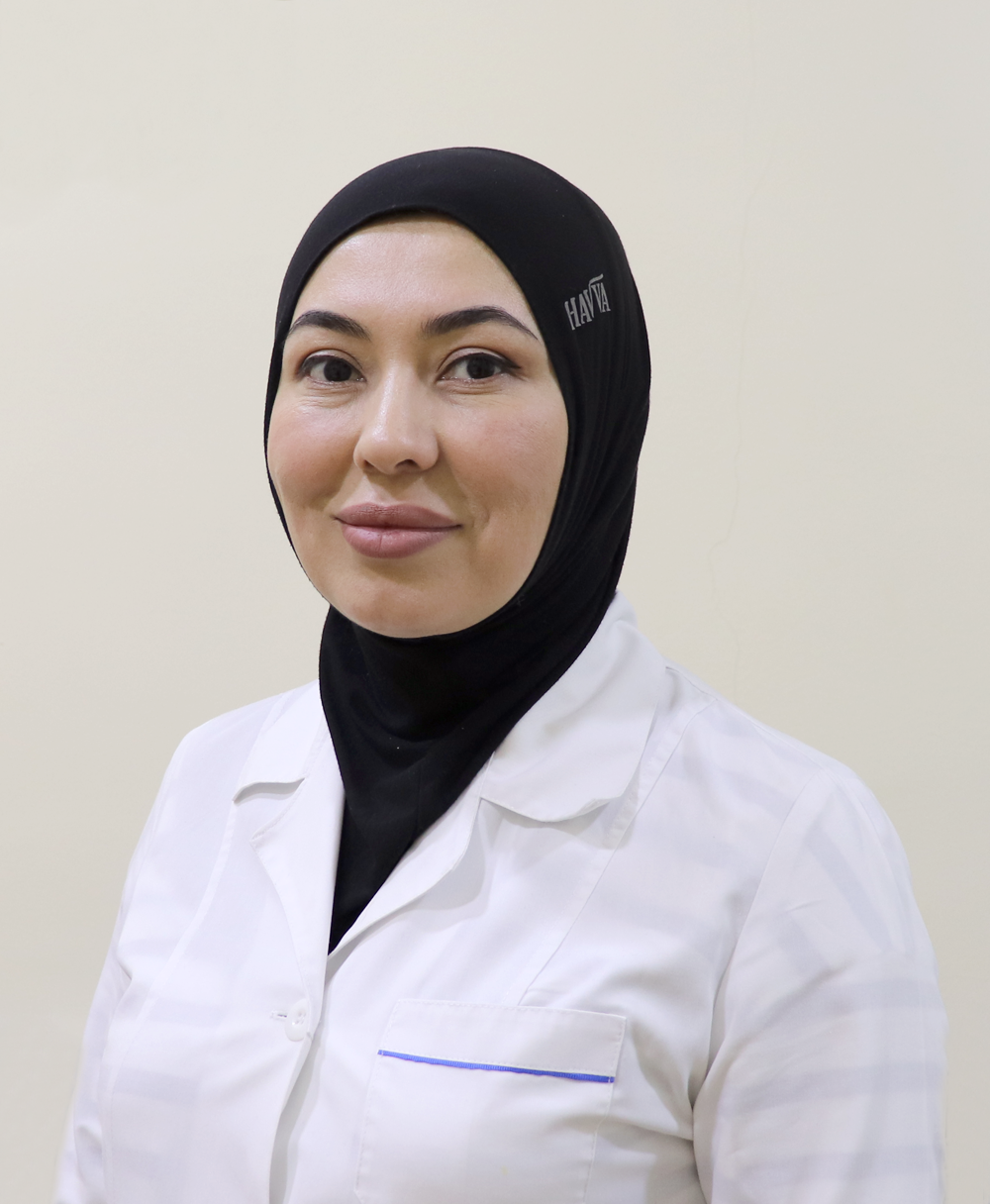
Doctors of this department
Saba Darmon Medical Center — contacts
📍 Tashkent, Nurafshon street, 7A/3
📞 +99871 210-30-30 · WhatsApp +998 95 662-30-30
✉️This email address is being protected from spambots. You need JavaScript enabled to view it.
🌐 Instagram · Telegram · Facebook · YouTube
📞 +99871 210-30-30 · WhatsApp +998 95 662-30-30
✉️
🌐 Instagram · Telegram · Facebook · YouTube