


Useful articles

Caesarean Scar and the Next Pregnancy: Niche, Timing, VBAC and Risks
Doctor's blog
sbdrmn
Direction: Robotic surgery · All services
A caesarean scar is the scar left in the wall of the womb after the operation. In most women it heals well, but sometimes a niche (isthmocele) forms in it and causes spotting, pain or difficulty conceiving. Below: the symptoms and diagnosis of a niche, treatment options, how long to wait before the next pregnancy, VBAC or a repeat caesarean, and the risk of a scar pregnancy.
Contents
- How a scar forms in the womb after a caesarean section
- Symptoms of a caesarean scar niche
- How a niche is diagnosed: ultrasound and hysteroscopy
- When is a caesarean scar defect treated?
- How long to wait before getting pregnant after a caesarean
- The next birth: VBAC or a repeat caesarean?
- Scar pregnancy and the risk of placenta accreta
- Measuring scar thickness during pregnancy
- Frequently asked questions
How a scar forms in the womb after a caesarean section
In a caesarean section the baby is delivered through a horizontal cut in the lower part of the womb (uterus), and the cut is then stitched closed. Over the following months a scar forms at this site. In most women the scar heals well and causes no problems at all. Sometimes, however, the wall of the womb becomes thinner at the scar, leaving a small “pouch” or dip on the inside. This is called a niche, an isthmocele or a caesarean scar defect. Factors that may contribute include having had several caesareans, an operation performed after labour had started, a womb that tilts backwards and individual differences in the way tissues heal.
Symptoms of a caesarean scar niche
In many women a niche causes no symptoms at all and is found by chance on an ultrasound scan. When symptoms do occur, they are usually:
- brown spotting for several days after a period ends — blood collects in the pouch and drains out slowly;
- lower abdominal pain during periods or at other times;
- pain during sex;
- secondary infertility — difficulty getting pregnant again after a first child. Blood and fluid in the pouch may affect the environment inside the womb.
Spotting after a period can also have other causes, so possible menstrual cycle disorders are considered as well.
How a niche is diagnosed: ultrasound and hysteroscopy
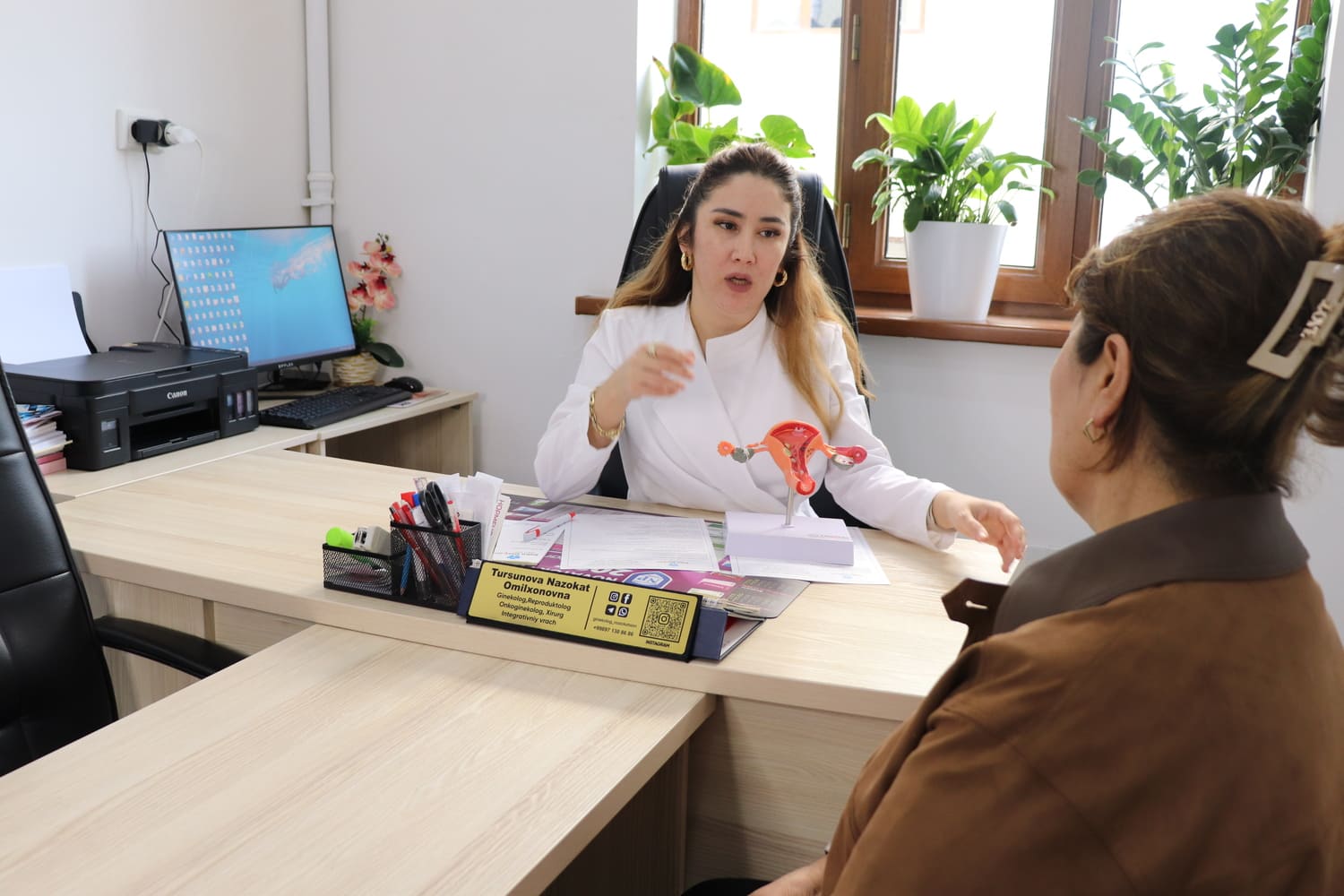
The main test is a transvaginal ultrasound scan; a niche is seen best in the first few days after a period, when there is still fluid in the pouch. The doctor measures the depth and width of the niche and the thickness of the remaining wall. For a more precise assessment, sonohysterography may be done: sterile fluid is passed into the womb during the scan, which shows the shape of the pouch clearly. In hysteroscopy the doctor looks directly inside the womb with a small camera — read more in the article on hysteroscopy.
When is a caesarean scar defect treated?
A niche without symptoms is usually not treated — it is simply monitored. Treatment is considered when there is spotting, pain or secondary infertility, and also when another pregnancy is planned and the remaining wall is very thin. The doctor chooses the approach based on the test results:
| Approach | When it tends to suit | What it involves |
|---|---|---|
| Monitoring | No symptoms and no plans for pregnancy | Regular check-ups and scans |
| Hysteroscopic repair | Mainly spotting and pain, with an adequately thick remaining wall | The edges of the pouch are smoothed from inside the womb so blood no longer collects |
| Laparoscopic repair | A very thin wall and a planned pregnancy | The defective tissue is removed and the wall is stitched again, making it thicker |
You can read more about keyhole operations in the article on laparoscopic gynaecological surgery. Whether treatment is needed, and which method, is decided only by the doctor after an assessment.
How long to wait before getting pregnant after a caesarean
The scar needs time to become fully strong. An interval of at least 18 months between a caesarean section and the next pregnancy is often recommended, as this lowers the risk of uterine rupture and other complications. Before trying to conceive, it is worth seeing a gynaecologist, having the scar assessed on ultrasound and preparing your general health — see the article on preparing for pregnancy. If pregnancy does not happen for a long time, the causes of female infertility are investigated as well.
The next birth: VBAC or a repeat caesarean?
A vaginal birth after caesarean (VBAC) is possible for many women, but it is an individual decision. The doctor takes into account the reason for the previous operation and the type of cut, the number of previous caesareans, the interval between pregnancies, the baby’s position, where the placenta lies and the mother’s general health. In some cases a planned repeat caesarean is the safer option. The decision is made together by the woman and her doctor during the pregnancy, and it can be revisited if circumstances change.
Scar pregnancy and the risk of placenta accreta
Rarely, a pregnancy implants not inside the cavity of the womb but directly in the caesarean scar — this is called a caesarean scar pregnancy. In addition, a placenta lying over the scar can grow too deeply into the wall of the womb (placenta accreta). These conditions are uncommon, but it is important to detect them early. That is why, in every pregnancy after a caesarean, an early first scan at around 6–8 weeks is recommended to confirm where the pregnancy has implanted.
If you have bleeding, severe lower abdominal pain, dizziness or feel faint in early pregnancy after a caesarean section, do not wait — call 103 immediately or seek emergency care.
Measuring scar thickness during pregnancy
In the later months of pregnancy some doctors use ultrasound to measure the thickness of the lower segment of the womb and the scar. This measurement is not decisive on its own, but it is considered together with other information when planning the birth. The result should be interpreted only by the doctor who is looking after your pregnancy.
If you are planning a pregnancy after a caesarean section, see a gynaecologist first: the condition of the scar can be assessed and the next steps planned with you. You can read more on the page of our gynaecology department.
Frequently asked questions
How long should I wait to get pregnant after a caesarean?
An interval of at least 18 months between a caesarean section and the next pregnancy is often recommended. This gives the scar time to strengthen. Your doctor will give advice based on your individual situation.
What is a caesarean scar niche?
It is a small pouch or dip on the inner side of the womb wall at the scar. It often causes no symptoms, but sometimes leads to spotting after periods, pain or secondary infertility.
Can brown spotting after my period be caused by a caesarean scar?
It can: blood collects in the pouch at the scar and drains slowly. Spotting has other possible causes too, so an ultrasound scan and a gynaecological examination are needed.
Can I have a vaginal birth after a caesarean?
Many women can, but it is an individual decision. The doctor considers the reason for the previous operation, the type of cut, the number of caesareans, the position of the placenta and other factors.
Does a caesarean scar defect go away without surgery?
The niche itself does not disappear, but if there are no symptoms it does not need treatment and is simply monitored. With symptoms or a planned pregnancy, the doctor may consider hysteroscopic or laparoscopic repair.
How is a caesarean scar pregnancy detected?
Only an ultrasound scan can detect it. That is why an early first scan at around 6–8 weeks is recommended in any pregnancy after a caesarean. If you have bleeding or severe pain, call 103 immediately.
What should the scar thickness be in pregnancy?
There is no single normal value; it depends on the stage of pregnancy and how it is measured. The doctor planning the birth interprets the result together with other information.
Related reading:
Doctors for consultation
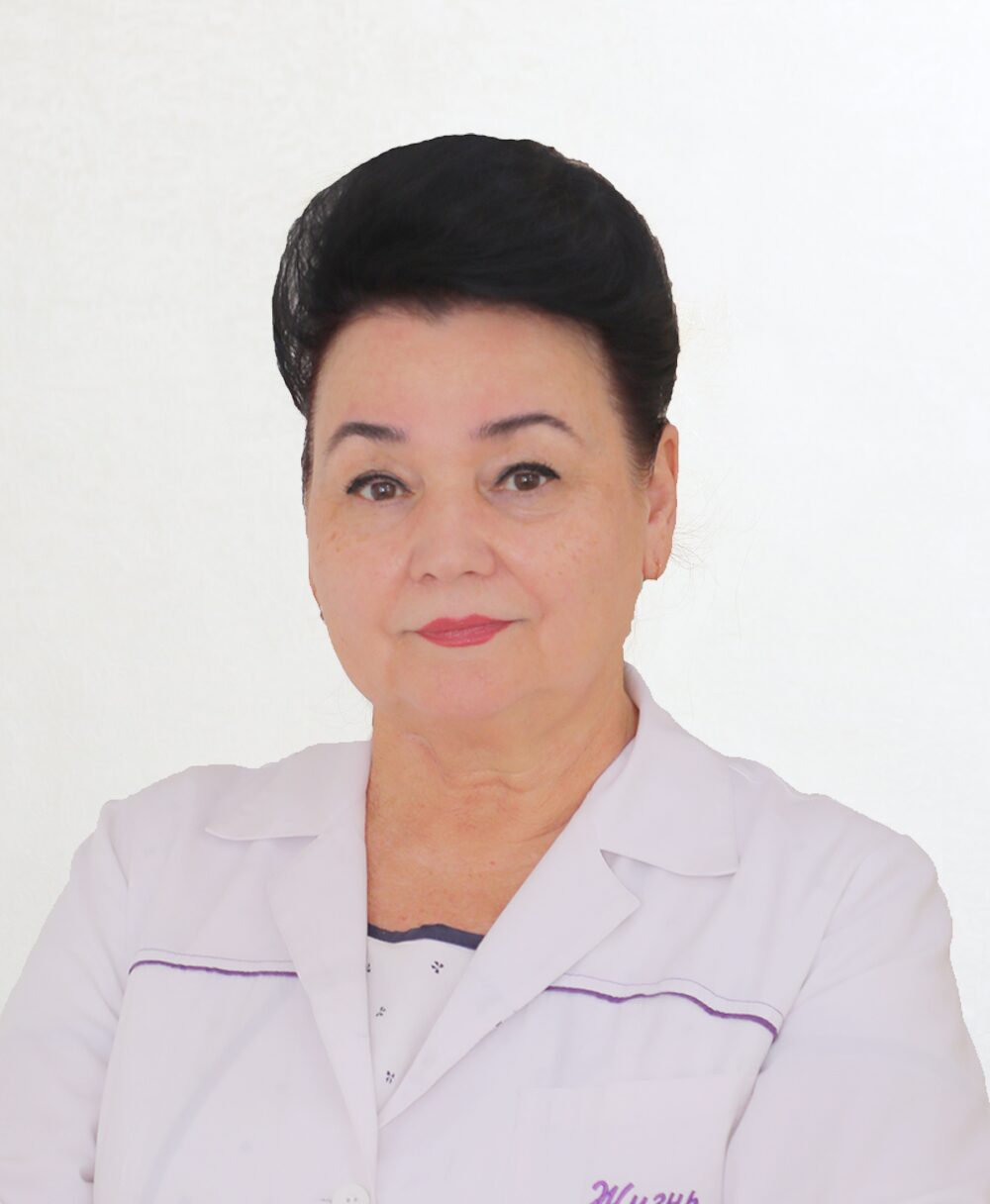
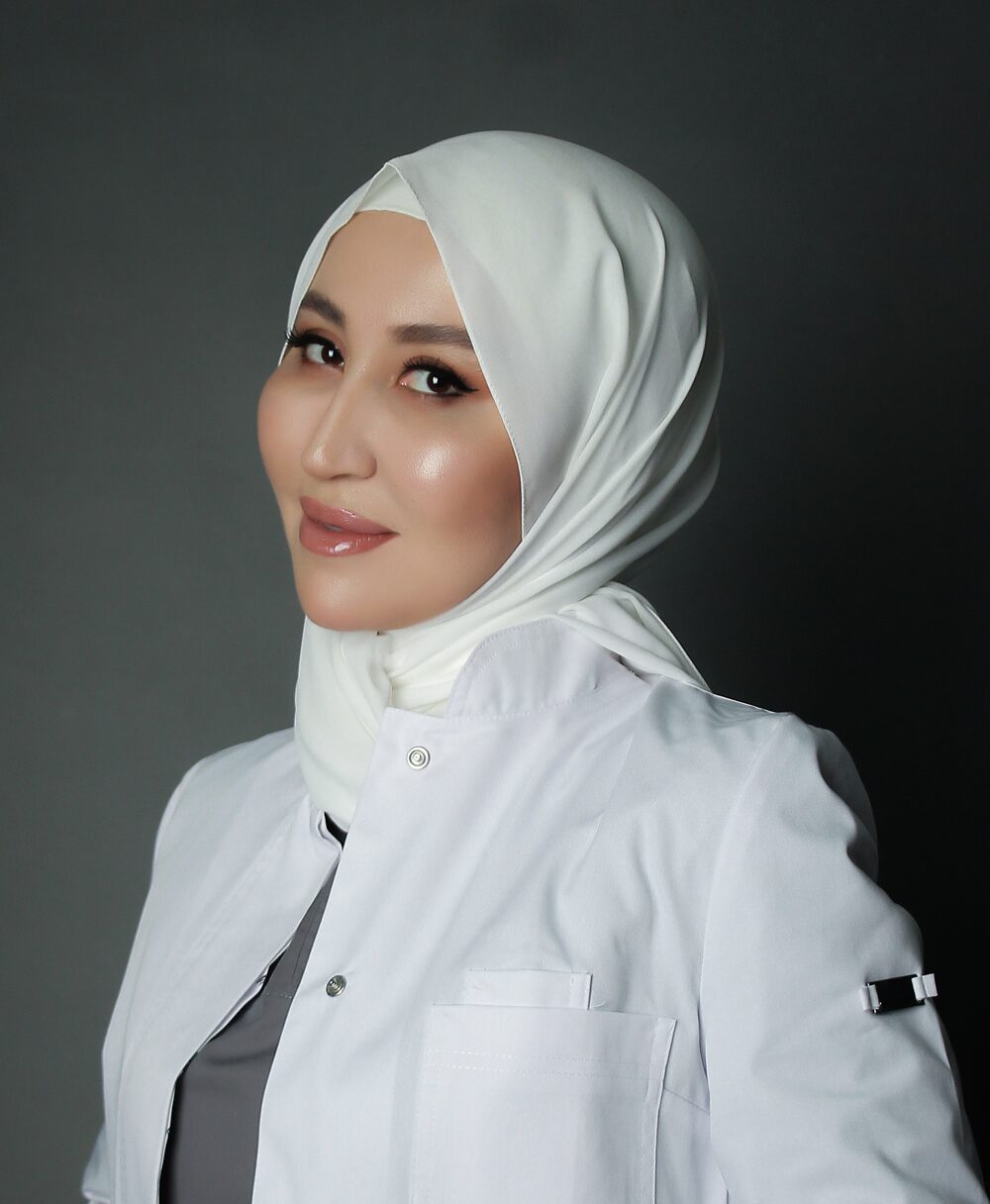
Our gynaecologists assess caesarean scars with ultrasound and hysteroscopy and help plan the next pregnancy. Our doctors in this field:

Book an appointment with a gynaecologist
Planning a pregnancy after a caesarean, or troubled by spotting after periods? An ultrasound scan shows the condition of the scar.
Call now — +998 71 210-30-30Contacts
Address: 7A/3 Nurafshon street, Tashkent
Phone: +998 71 210-30-30 · WhatsApp: +998 95 662-30-30
Opening hours: Monday–Saturday, 09:00–18:00
E-mail: