


Useful articles

Broken Nose: Symptoms, First Aid and When It Needs Setting
Doctor's blog
sbdrmn
Direction: Robotic surgery · All services
A broken nose is the most common facial fracture: a blow, a fall or a sports injury damages the bones or cartilage of the nose. The right first aid, spotting warning signs early and seeing an ENT doctor once the swelling has settled all help to protect the shape of the nose and normal breathing. Below: the symptoms, what to do and what not to do at home, when a broken nose needs setting and how lasting problems are treated.
Contents
- What a broken nose is and how it happens
- How to tell if your nose is broken: symptoms
- First aid for a broken nose
- When to seek urgent help
- The ENT examination: do you need an X-ray?
- Treatment: when does a broken nose need setting?
- Late treatment: septoplasty and septorhinoplasty
- Nose injuries in children
- Recovery and prevention
- Examination at the clinic and questions for your doctor
- Frequently asked questions
What a broken nose is and how it happens
A broken nose (nasal fracture) is a break in the thin bones that form the bridge of the nose, often together with damage to the cartilage of the nasal septum, the wall that divides the nose into two sides. Because the nose is the most prominent part of the face, it is injured more often than any other facial bone, and a nasal fracture is the most common facial fracture. The usual causes are:
- falls, particularly in children and older people;
- contact sports such as football, wrestling, boxing and basketball;
- fights and assaults;
- road traffic accidents and injuries at work.
A fracture may be simple, with the pieces of bone still in place, or complex: the fragments may be displaced, the septum bent, or the eye socket and other facial bones injured as well. Treatment depends on this, and on how much the shape of the nose and your breathing have changed.
How to tell if your nose is broken: symptoms
After a blow to the face the following are common: pain and swelling of the nose and the area around it, a nosebleed, bruising around the eyes, difficulty breathing through the nose, a crooked nose, or a crackling or grating feeling when it is touched. In the first few hours, however, the swelling can be so marked that it is hard to see whether the shape of the nose has changed. The table gives a rough guide:
| Feature | Bruised nose (no fracture) | Broken nasal bones | Septal haematoma |
|---|---|---|---|
| Pain and swelling | Present, settles within a few days | Marked, often with bruising around the eyes | Pain inside the nose, sometimes fever |
| Shape of the nose | Unchanged | May be bent or flattened | May look normal from outside |
| Breathing | Usually normal | Blocked on one or both sides | Often both sides fully blocked |
| Inside the nose | No change | The septum may be bent | A soft, dark red or bluish swelling |
| What to do | Cold pack, watch and wait | ENT review in 3–7 days | See a doctor the same day |
Changes inside the nose can only be seen properly by a doctor using special instruments, so if you suspect a fracture it is sensible to be examined.
First aid for a broken nose
In the first minutes and hours after the injury, the following steps help:
- Stop the bleeding. Sit down and lean your head slightly forwards — do not tip it back, or blood will run down your throat. Pinch the soft part of the nose firmly between your thumb and index finger for 10–15 minutes without letting go, and breathe through your mouth. More detail: first aid for nosebleeds.
- Apply something cold. Hold ice or a cold pack wrapped in a towel against the nose and cheeks for 10–20 minutes, and repeat several times during the first day. Never put ice directly on the skin.
- Keep your head raised. Use an extra pillow when resting and sleeping — this reduces swelling.
- For pain, an ordinary over-the-counter painkiller can be taken on the advice of a doctor or pharmacist.
What not to do: do not blow your nose — air can be forced through the damaged tissues under the skin and around the eye, and the bleeding may start again; do not try to push the nose “back into place” yourself; avoid resting glasses on the bridge of the nose; and stay away from sport and heavy physical work until the swelling has gone down.
When to seek urgent help
Most nose injuries are not dangerous, but some signs point to an injury to the skull or eye, or to a complication that needs immediate treatment.
Do not wait if you notice any of the following: clear, watery fluid running from the nose (this may be cerebrospinal fluid); a painful swelling inside the nose that blocks breathing — a septal haematoma, which must be drained promptly, otherwise the cartilage can be destroyed and the bridge of the nose may collapse; changes in vision, double vision or pain when moving the eyes; loss of consciousness, severe headache, repeated vomiting or neck pain; bleeding that does not stop after 15–20 minutes of firm pressure; difficulty breathing; teeth that no longer meet properly or a numb cheek. In these situations call 103 immediately or go to an emergency department.
The ENT examination: do you need an X-ray?
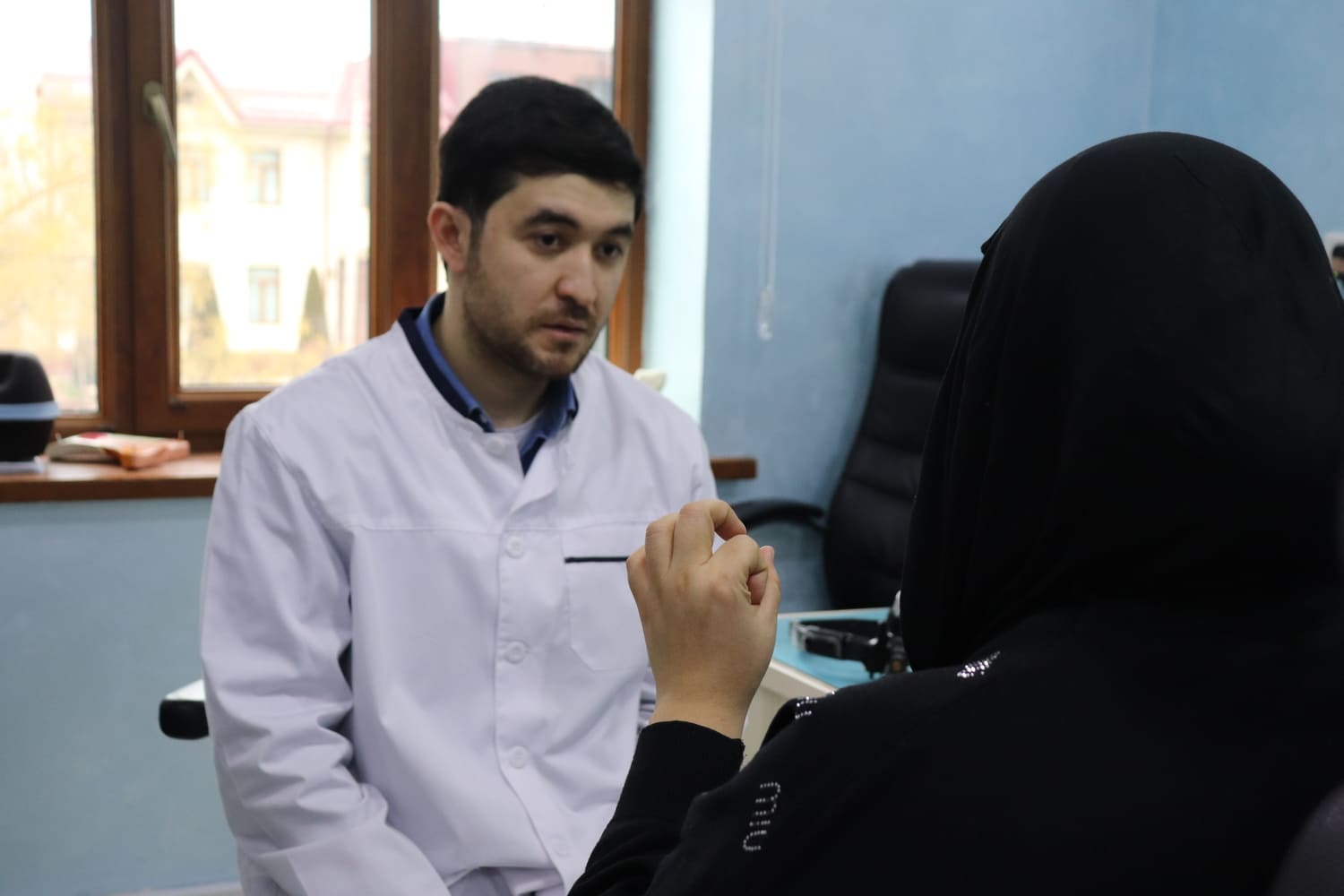
If there are no warning signs, an ENT doctor will usually suggest an examination 3–7 days after the injury, once the swelling has gone down: this is when the shape of the nose and the state of the septum can be judged properly. On the other hand, if there is marked swelling inside the nose, a suspected septal haematoma or a sudden worsening of breathing, you should be seen on the first day.
During the examination the doctor feels the nose from outside and looks inside it with a speculum or an endoscope. For a simple broken nose an X-ray is usually not needed — it rarely changes the treatment, because decisions are based mainly on how the nose looks and how well you can breathe. A CT scan is arranged when the injury is complex or when damage to other facial bones, the eye socket or the skull is suspected. If your sense of smell is reduced after the injury, tell your doctor — this is explained in our article on loss of smell and sinus CT.
Treatment: when does a broken nose need setting?
If the nasal bones have not moved and your breathing is normal, no specific treatment is needed: the bones heal on their own within a few weeks. If the bones are displaced and the shape of the nose has changed, closed reduction may be offered — the bones are moved back into position with instruments from inside and outside the nose, without any cuts. It is carried out under local or general anaesthetic, and a small splint is then placed on the nose for several days. Whether reduction is needed, and how it should be done, will be discussed with you by the ENT doctor after the examination.
| Timing | What happens |
|---|---|
| First few hours | First aid and checking for warning signs |
| 3–7 days | ENT review once the swelling settles; septal haematoma ruled out |
| Up to about 2 weeks | Closed reduction of displaced bones (earlier in children) |
| 6 months or later | Septoplasty or septorhinoplasty for a remaining deformity or blocked breathing |
Timing matters: in adults the bones start to set in the wrong position within roughly two weeks, after which moving them back without surgery becomes difficult. Children heal faster, so the window is shorter for them.
Late treatment: septoplasty and septorhinoplasty
Sometimes, even after reduction or when the fracture was not set in time, the nose stays crooked, the septum remains bent and breathing through one side is difficult. In these cases a planned operation is discussed once the tissues have fully healed and any scarring has matured — usually at least six months after the injury. Septoplasty straightens a bent septum and restores breathing; if the outer shape also needs correcting, the operation is called septorhinoplasty. If the turbinates inside the nose are enlarged, turbinoplasty may be added. You can read about choosing the right operation in our article on septoplasty, turbinoplasty or FESS and on the septoplasty page.
Nose injuries in children
A child’s nose is made mostly of cartilage, so a fracture may not be obvious from outside, yet an injury to the septum can affect how the nose grows later. Septal haematoma also occurs in children and, if it is not drained in time, can lead to loss of cartilage. For this reason, if a child has swelling, difficulty breathing or a change in the shape of the nose after an injury, have them seen by an ENT doctor early. After a fall, also watch for signs of a head injury, such as drowsiness, vomiting or a change in behaviour.
Recovery and prevention
Swelling and bruising usually fade within one to two weeks. After reduction, the splint and any nasal packing are removed when the doctor advises. For several weeks you will be advised not to blow your nose hard, to avoid hot baths and saunas, and not to return to contact sports until your doctor says it is safe — the bones need time to become strong again. A face guard or helmet in sport, a seat belt in the car and a safe home environment for young children all reduce the risk of injury.
Examination at the clinic and questions for your doctor
At your ENT appointment, ask: is my nose broken and are the bones displaced; is there a septal haematoma; do I need a CT scan; does my nose need setting, and by when; what can be done if my breathing becomes difficult later; when can I return to sport. At Saba Darmon clinic, ENT specialists carry out the examination, and CT scanning and other tests are available when needed. When indicated, septoplasty is performed at the clinic, with the surgeon choosing the method after assessment; whether the fracture needs reduction, and other treatment options, will be discussed with you individually by the doctor. You can find more on the page of our otolaryngology department.
Frequently asked questions
Will a broken nose heal straight on its own?
If the bones have not moved, the nose usually heals in its normal shape within a few weeks and needs no specific treatment. If they are displaced, the bones may set in the wrong position, leaving the nose crooked and breathing more difficult. That is why it is advisable to see an ENT doctor 3–7 days after the injury, once the swelling has gone down, to decide whether the nose needs setting.
Do I need an X-ray for a broken nose?
For a simple broken nose an X-ray is usually not needed, because treatment decisions are based mainly on how the nose looks, the state of the septum and how well you can breathe. If the injury is complex, or damage to the eye socket, other facial bones or the skull is suspected, the doctor will arrange a CT scan. The ENT doctor decides which test is needed after examining you and explains the result.
How long do I have to get my nose set?
In adults, closed reduction of displaced nasal bones without any cuts is usually best done within about two weeks of the injury; in children the window is shorter. After that the bones set, and moving them back by simple means becomes difficult. If this window has passed, a remaining deformity or blocked breathing can be corrected with a planned operation — septoplasty or septorhinoplasty — usually at least six months later.
What is a septal haematoma and why is it dangerous?
A septal haematoma is a collection of blood over the cartilage of the nasal septum after an injury. A soft, dark red swelling appears inside the nose, often blocking both sides. The blood supply to the cartilage is cut off; if infection sets in, an abscess forms, and the cartilage can be destroyed so that the bridge of the nose collapses. For this reason it must be drained by a doctor as soon as possible.
When can I go back to sport after a broken nose?
The bones need time to become strong again. Light exercise can usually be resumed once the swelling and pain have settled, but contact sports are generally best avoided for several weeks and resumed only with your doctor’s agreement. After reduction this period may be longer. Wearing a face guard or helmet when you return to sport markedly reduces the risk of injuring your nose again.
Related reading:
Doctors for consultation
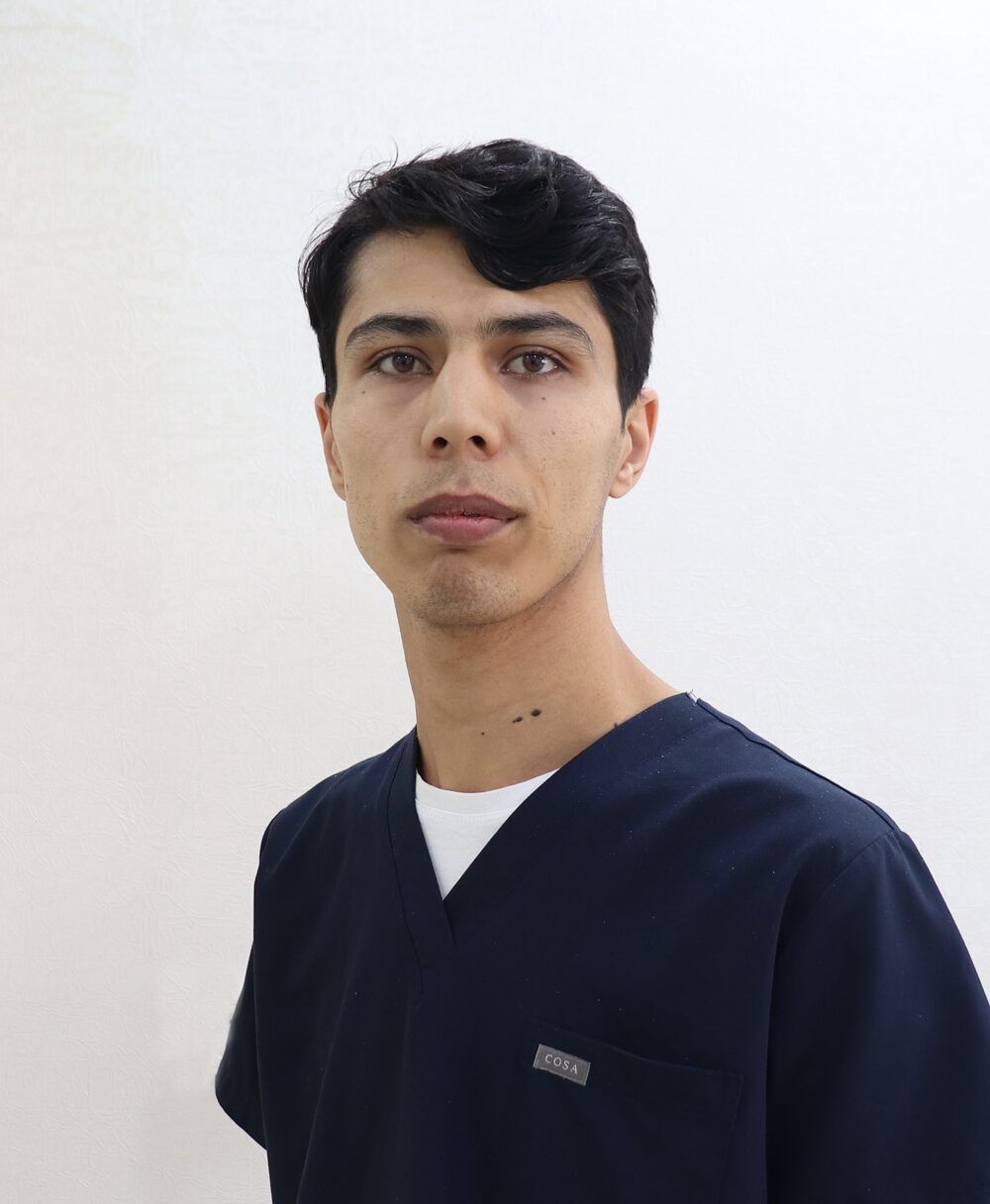
Nose injuries are assessed by our ENT doctors, who evaluate the fracture and perform septoplasty when indicated. Our doctors in this field:



Book an appointment with an ENT doctor
Has your nose changed shape or become blocked after an injury? An ENT examination will assess the fracture and help decide whether it needs setting, and when.
Call now — +998 71 210-30-30Contacts
Address: 7A/3 Nurafshon street, Tashkent
Phone: +998 71 210-30-30 · WhatsApp: +998 95 662-30-30
Opening hours: Monday–Saturday, 09:00–18:00
E-mail: