


Useful articles

Liver Cirrhosis: Early Signs and Prevention — Saba Darmon, Tashkent
Doctor's blog
sbdrmn
Liver cirrhosis is a chronic disease in which liver tissue is irreversibly replaced by scar tissue, disrupting the structure and function of the organ. It can remain almost silent for years, which is why early detection and prevention are crucial. The gastroenterologist-hepatologist of Saba Darmon Medical Center explains how to protect your liver.
How cirrhosis develops
Liver cells respond to constant damage by forming scar tissue. First fibrosis develops — at this stage the process can be slowed down and even partially reversed. If the damaging factor is not removed, scar tissue gradually replaces healthy tissue and cirrhosis forms: the liver hardens, shrinks and can no longer perform its tasks — cleansing the blood, producing proteins and supporting digestion.
The liver is a «silent» organ: it has few pain receptors, so the disease goes unnoticed for a long time. A large share of patients learn the diagnosis at a late stage. That is why regular check-ups are so important for people with risk factors.
Early signs to watch for
- constant fatigue and weakness, reduced performance;
- loss of appetite, nausea, unexplained weight loss;
- heaviness or dull pain under the right rib;
- itchy skin, spider veins on the skin;
- reddening of the palms, frequent bleeding of gums and nose;
- sleep disturbance, reduced attention and memory.
At later stages, yellowing of the skin and eyes, abdominal enlargement due to fluid (ascites), leg swelling and hand tremor appear. When these symptoms show up, the disease is usually far advanced — do not wait for them.
Main causes
- viral hepatitis B and C — among the most common causes of cirrhosis;
- regular alcohol consumption;
- fatty liver disease — with obesity, type 2 diabetes and metabolic syndrome;
- autoimmune liver diseases and chronic bile duct disorders;
- long-term uncontrolled use of certain medications.
Diagnosis: which tests are needed
After a hepatologist's examination, the following are usually prescribed:
- liver ultrasound — size, structure, condition of the gallbladder and vessels;
- elastography (FibroScan) — painless assessment of the degree of fibrosis;
- laboratory tests: ALT, AST, bilirubin, albumin, platelets, coagulation panel;
- hepatitis B and C markers.
These studies precisely determine the stage of liver damage and help choose the right treatment tactics.
Prevention: can cirrhosis be avoided
In most cases — yes. Cirrhosis usually develops not on its own but as the outcome of an untreated chronic disease:
- vaccination against hepatitis B; hepatitis C is successfully cured today;
- quitting alcohol or sharply limiting it;
- controlling weight, blood sugar and cholesterol — prevention of fatty liver disease;
- taking medications only as prescribed by a doctor;
- with risk factors — a liver check-up at least once a year.
When to see a hepatologist
Persistent fatigue, heaviness under the right rib, itchy skin or elevated ALT/AST in your tests are reasons not to postpone an examination. Treatment started at the fibrosis stage saves the liver; at the cirrhosis stage, complications can only be slowed down.
Complications of cirrhosis: why delay is dangerous
Untreated cirrhosis leads to severe complications over time. As blood flow through the liver becomes difficult, portal hypertension develops — the veins of the esophagus dilate and become a source of dangerous bleeding. Fluid accumulating in the abdomen (ascites) is prone to infection. When the liver can no longer neutralize toxins, they affect the brain and cause encephalopathy — disturbances of memory, attention and consciousness. In addition, the risk of liver cancer rises markedly with cirrhosis, so patients need monitoring every 6 months — ultrasound and an alpha-fetoprotein test.
Daily habits that help your liver
- more vegetables, fruits and whole grains in the diet, less fried and very fatty food;
- lose weight gradually — abrupt fasting is extra stress for the liver;
- drink enough clean water and limit sugary fizzy drinks;
- be careful with products advertised as «liver cleansing»: many are useless and some are harmful;
- consult a doctor before taking any supplements or herbal infusions.
Frequently asked questions
Can cirrhosis be completely cured?
Established scar tissue does not disappear completely, but if the cause is removed — for example, hepatitis C is cured or alcohol is stopped — the process halts and liver function improves noticeably. Early-stage fibrosis can partially regress.
If ALT and AST are normal, is the liver healthy?
Not always. In some patients fibrosis progresses even with normal enzymes. That is why, with risk factors, you need not only blood tests but also ultrasound with elastography.
How often should I repeat the examination?
Without risk factors — when complaints appear. With hepatitis, obesity, diabetes or a history of alcohol use — at least once a year, and patients with established cirrhosis are advised to be monitored every 6 months.
At Saba Darmon Medical Center, a hepatologist consultation, ultrasound, elastography and an in-house laboratory are in one place: we fully assess your liver condition in a single visit. Book an appointment by phone or online.
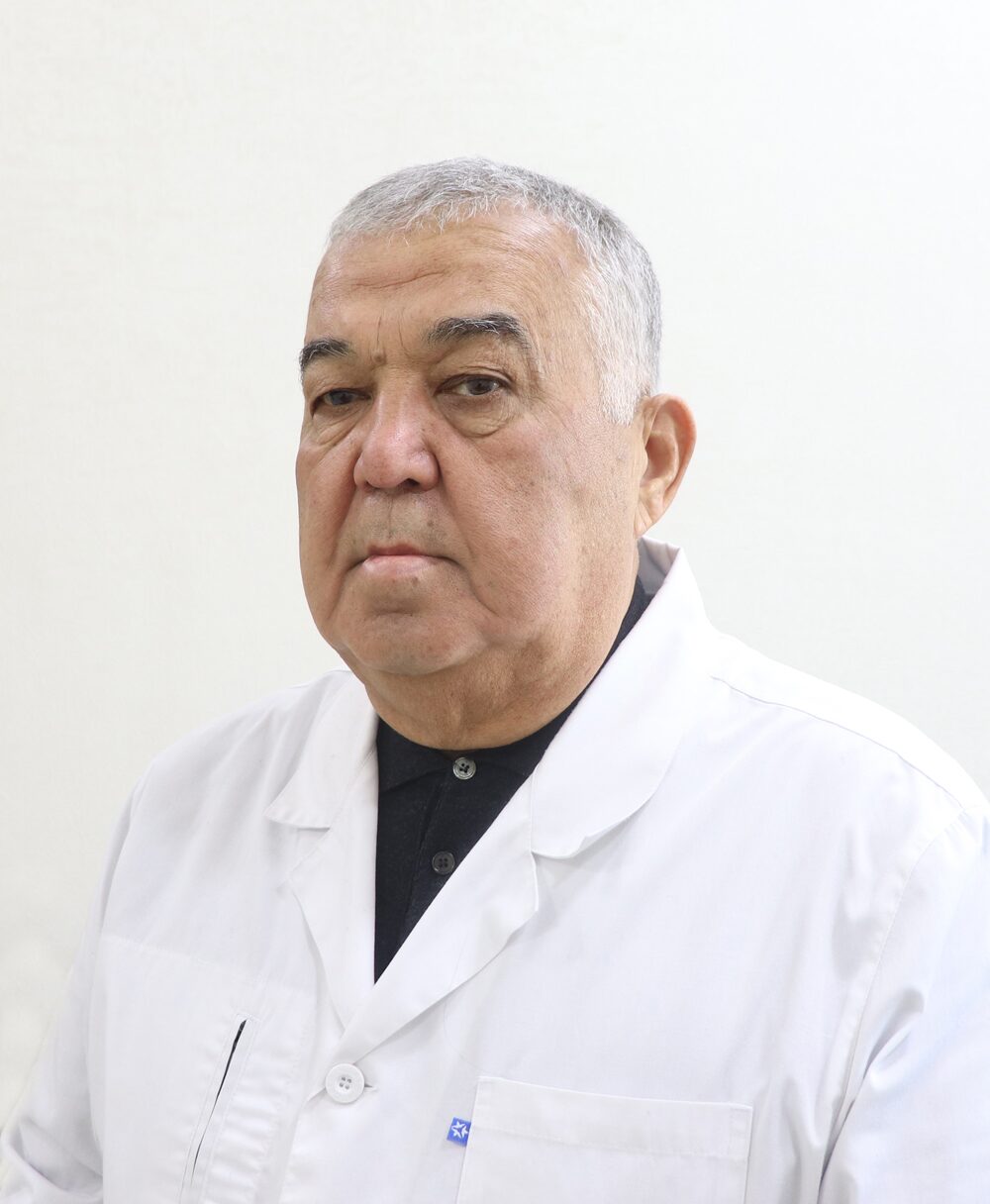
Doctors of this department
Saba Darmon Medical Center — contacts
📍 Tashkent, Nurafshon street, 7A/3
📞 +99871 210-30-30 · WhatsApp +998 95 662-30-30
✉️This email address is being protected from spambots. You need JavaScript enabled to view it.
🌐 Instagram · Telegram · Facebook · YouTube
📞 +99871 210-30-30 · WhatsApp +998 95 662-30-30
✉️
🌐 Instagram · Telegram · Facebook · YouTube