


Useful articles

Inpatient Treatment: When It Is Effective and Who Needs It — Saba Darmon, Tashkent
Doctor's blog
sbdrmn
Some conditions cannot be treated at home with pills alone — they require regular procedures, constant medical supervision and a calm environment. In such cases, inpatient treatment is far more effective than outpatient care. The doctors of Saba Darmon Medical Center explain who needs hospital treatment and when.
What inpatient treatment is
Inpatient care means the patient stays at the clinic, receives procedures during the day and remains under the supervision of medical staff. There are two types: a day hospital — the patient receives procedures and returns home in the evening; and a 24-hour hospital — the patient stays in a ward under constant observation. The doctor decides which form is needed based on the severity of the illness.
When inpatient care is more effective than outpatient
- a course of intravenous infusions — many drugs work quickly and fully only when given by drip;
- flare-ups of chronic diseases — hypertensive crisis, worsening of gastrointestinal disorders, neurological conditions;
- the postoperative period — professional care and pain management in the first days after surgery;
- complex conditions involving several body systems — comprehensive examination and treatment in one place;
- cases where home treatment has failed — revising the regimen under supervision;
- elderly patients and those living alone — a guarantee of receiving procedures on time.
Advantages of hospital treatment
- procedures strictly on schedule — not a single missed dose;
- the doctor assesses progress daily and promptly adjusts the regimen;
- if the condition changes, help arrives within minutes;
- tests and examinations on site — treatment is quickly adapted to the results;
- a calm routine away from household concerns — an important condition for recovery.
When outpatient treatment is enough
Not every case requires hospitalization. If the condition is stable, medications are taken orally and the patient can follow recommendations — treatment at home is possible. Follow-up visits still matter: the doctor monitors the effectiveness of treatment. A day hospital is the middle option: full procedures during the day, home comfort in the evening.
Conditions at the Saba Darmon hospital
- comfortable, cozy wards — everything for restful recovery;
- round-the-clock nursing care;
- daily rounds by the attending doctor and laboratory monitoring;
- proper meals;
- consultations of specialists when needed — a cardiologist, neurologist, surgeon and gastroenterologist in one building.
How admission works
First, an examination is carried out at the doctor's appointment: the diagnosis is clarified, the treatment plan and duration are set. For planned admission, examinations are prepared in advance; in urgent cases the patient is admitted immediately. At the end of treatment, the patient receives a written summary and recommendations for the next stage.
Which specialties are treated as inpatients
The hospital of a multi-specialty clinic admits patients of various profiles:
- internal medicine — flare-ups of gastrointestinal and liver diseases, courses of infusion therapy;
- cardiology — stabilization after a hypertensive crisis, supervised selection of cardiac medication regimens;
- neurology — severe episodes of back and neck pain, dizziness syndromes, restorative courses;
- surgery — preoperative preparation and postoperative care;
- managing several diseases at once in elderly patients.
The main strength of inpatient care is having different specialists in one building: when needed, a doctor of another specialty reaches the patient within minutes.
Information for relatives
The involvement of loved ones matters for the patient's peace of mind and quick recovery. Before visiting, check the visiting hours and bring only foods approved by the doctor. Ask questions about the treatment plan to the attending doctor during reception hours — medical information is given by phone only in a limited manner. After discharge, the recommendations in the summary — the medication schedule, diet, follow-up visits — are fully carried out precisely with the help of relatives.
Frequently asked questions
How long does inpatient treatment last?
On average 3–10 days: infusion courses usually take 5–7 days, postoperative observation 1–5 days depending on the type of surgery. The exact period is set by the attending doctor based on progress.
Can I be admitted at my own request?
Hospitalization requires medical indications — they are determined by the doctor at the appointment. If you have complaints, book a consultation first: if needed, admission is arranged the same day.
Who is the day hospital for?
For patients in stable condition who need daily procedures — IV drips, injections, physiotherapy. You can come in the morning, receive the procedures and return to normal life in the afternoon.
At Saba Darmon Medical Center, a day and 24-hour hospital, an in-house laboratory and experienced doctors of various specialties are in one place: we conduct treatment under full control. For information and booking, use the phone or the website.
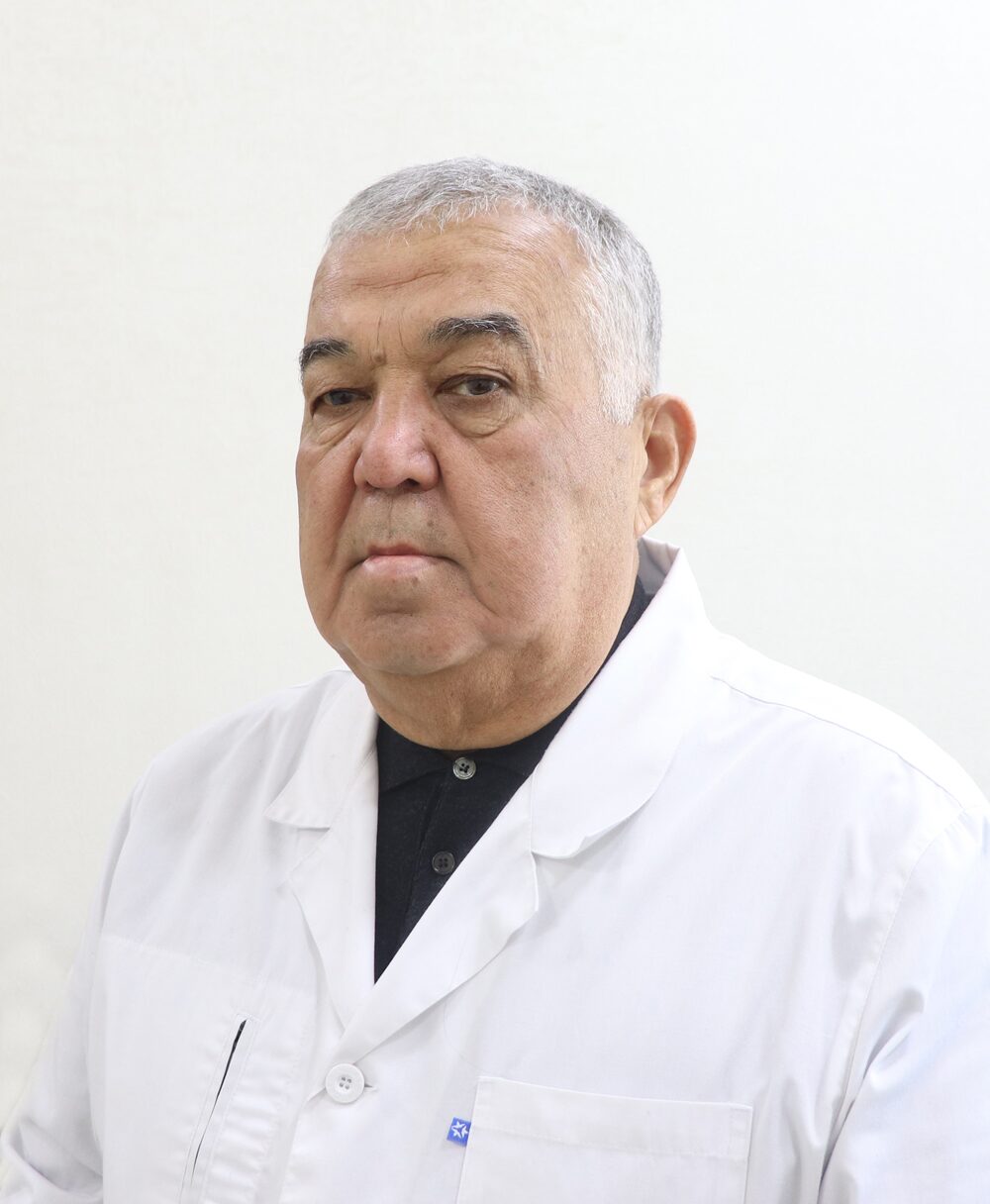
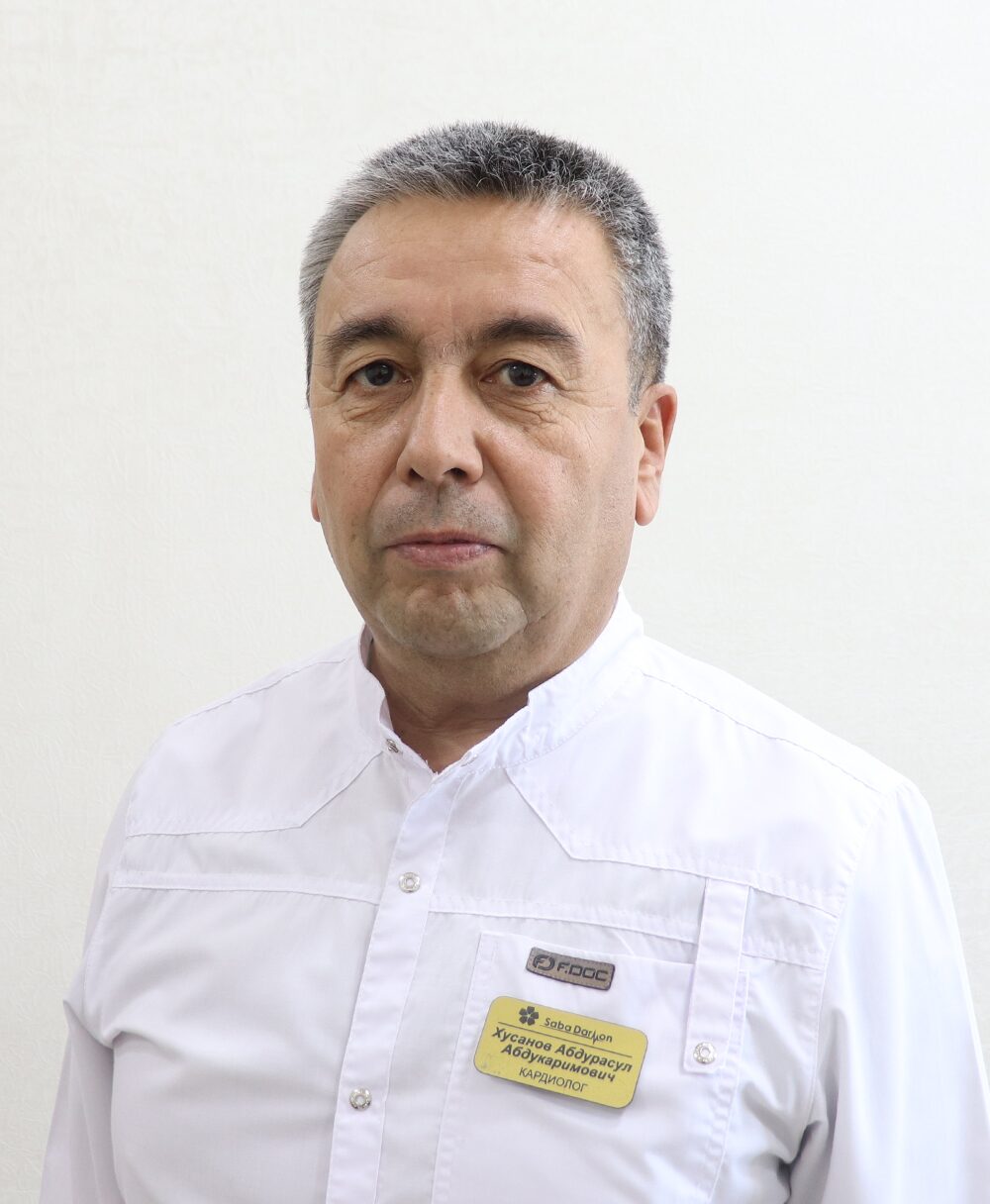
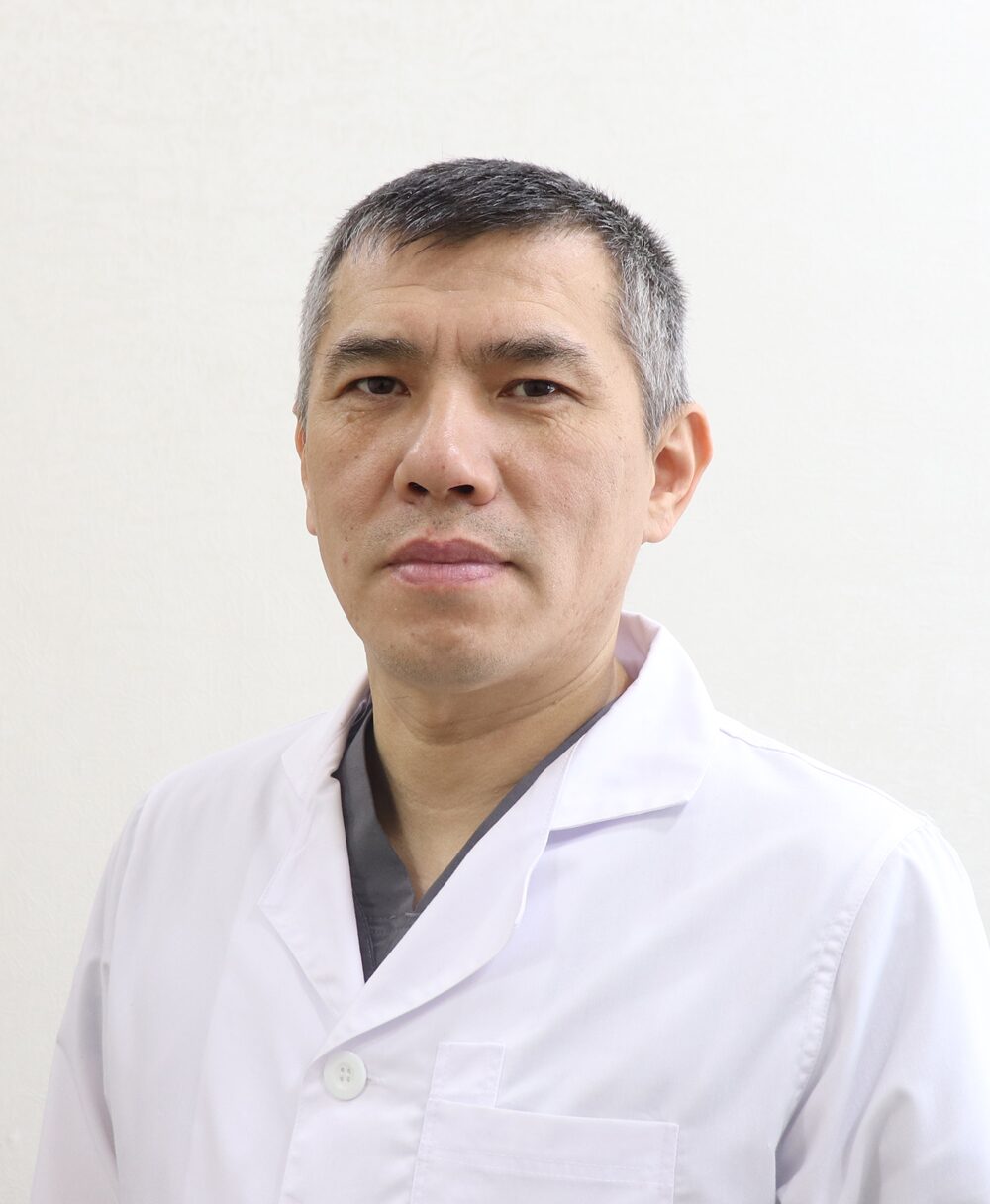
Doctors of this department

Saba Darmon Medical Center — contacts
📍 Tashkent, Nurafshon street, 7A/3
📞 +99871 210-30-30 · WhatsApp +998 95 662-30-30
✉️This email address is being protected from spambots. You need JavaScript enabled to view it.
🌐 Instagram · Telegram · Facebook · YouTube
📞 +99871 210-30-30 · WhatsApp +998 95 662-30-30
✉️
🌐 Instagram · Telegram · Facebook · YouTube