


Useful articles

Hashimoto’s Thyroiditis: Symptoms, Anti-TPO Antibodies and When Treatment Is Needed
Doctor's blog
sbdrmn
Direction: Robotic surgery · All services
Hashimoto’s thyroiditis (autoimmune thyroiditis) is a long-term condition in which the immune system works against the thyroid gland; it is often picked up by chance when a blood test shows raised anti-TPO antibodies. People who hear the diagnosis usually have one worry: will I have to take hormones for the rest of my life? In many cases the answer is no. Below we explain how the condition develops, which symptoms to watch for, when monitoring is enough and when treatment is needed, and what the evidence says about popular diet advice.
Contents
- What is Hashimoto’s thyroiditis
- Causes and risk factors: who gets it
- Symptoms and stages of Hashimoto’s thyroiditis
- Diagnosis: TSH, anti-TPO antibodies and thyroid ultrasound
- Raised anti-TPO with a normal TSH: is treatment needed?
- When levothyroxine is prescribed and how to take it
- Diet, selenium and iodine: myths and facts
- Hashimoto’s thyroiditis and pregnancy
- When to seek urgent help
- Seeing an endocrinologist at Saba Darmon clinic
- Frequently asked questions
What is Hashimoto’s thyroiditis
Hashimoto’s thyroiditis, also called autoimmune thyroiditis, is a long-term condition in which the immune system mistakes thyroid tissue for something foreign and makes antibodies against it. It is named after the Japanese doctor who first described it. The slow inflammation gradually reduces the number of hormone-producing cells, and over the years the gland may no longer be able to keep up. In parts of the world where people get enough iodine, it is the most common cause of hypothyroidism — an underactive thyroid. Being given the diagnosis does not mean the gland has already failed, though: many people with raised antibodies keep normal hormone levels for years, sometimes for life. The condition is not infectious, and nothing you did caused it.
Causes and risk factors: who gets it
Why the immune system turns on the thyroid is not fully understood. Inherited tendency matters: the condition often affects several members of the same family, particularly on the female side. Women are affected far more often than men, and the risk rises with age; the months after childbirth are another time when thyroid autoimmunity often shows itself. Too much iodine and certain medicines can speed things up in people who are already predisposed.
People with Hashimoto’s thyroiditis are also more likely to have other autoimmune conditions: type 1 diabetes, coeliac disease, vitiligo (pale patches on the skin) and vitamin B12 deficiency caused by autoimmune damage to the stomach lining. This does not mean everyone will develop them, but it is worth telling your doctor about any new symptoms.
Symptoms and stages of Hashimoto’s thyroiditis
The condition typically moves through three stages. In the first, only the antibodies are raised; hormone levels are normal and there are no symptoms. The second is subclinical hypothyroidism: TSH is raised while free T4 is still normal. The third is overt hypothyroidism, when the gland no longer makes enough hormone. Not everyone goes all the way, and the pace differs from person to person. Occasionally there is a short thyrotoxic phase early on: stored hormone leaks from damaged cells, causing a racing heart, sweating and restlessness. This usually settles by itself within a few weeks.
Once the thyroid becomes underactive, symptoms come on gradually:
- constant tiredness, sleepiness and feeling the cold;
- dry skin, hair loss, a puffy face and eyelids;
- modest weight gain, constipation and a slow pulse;
- poor memory and concentration, low mood;
- in women, irregular or heavy periods and difficulty conceiving;
- a painless swelling at the front of the neck (goitre), sometimes with a feeling of pressure.
None of these symptoms is specific to the thyroid, so the diagnosis rests on blood tests rather than on how you feel.
Diagnosis: TSH, anti-TPO antibodies and thyroid ultrasound
The key test is TSH (thyroid-stimulating hormone from the pituitary gland), which shows how well the thyroid is working. If TSH is abnormal, free T4 is added. Antibodies to thyroid peroxidase (anti-TPO) confirm that the cause is autoimmune; thyroglobulin antibodies (anti-TG) are less informative and not always needed. On an ultrasound scan the gland usually looks patchy and darker than normal, and it may be enlarged or, on the contrary, shrunken. A scan supports the diagnosis but does not show thyroid function, and it does not need to be repeated often. If a nodule is found, it is assessed by the same rules as any other thyroid nodule: depending on its size and ultrasound features, the doctor decides whether monitoring is enough or a fine-needle biopsy is needed.
Raised anti-TPO with a normal TSH: is treatment needed?
This is the question doctors hear most often, and the answer is clear: if your TSH is normal, raised anti-TPO antibodies alone are not treated with thyroid hormone. Antibodies are a marker of predisposition, not a target for treatment. Their level does not reflect how severe the condition is, it drifts up and down by itself, and no medicine or supplement marketed to “bring antibodies down” has been shown to help. For the same reason there is no point in re-testing anti-TPO again and again — measuring it once is enough.
All that is needed in this situation is monitoring: TSH is checked about once a year. The test is done sooner if you develop tiredness, cold intolerance or weight gain, or if you are planning a pregnancy.
When levothyroxine is prescribed and how to take it
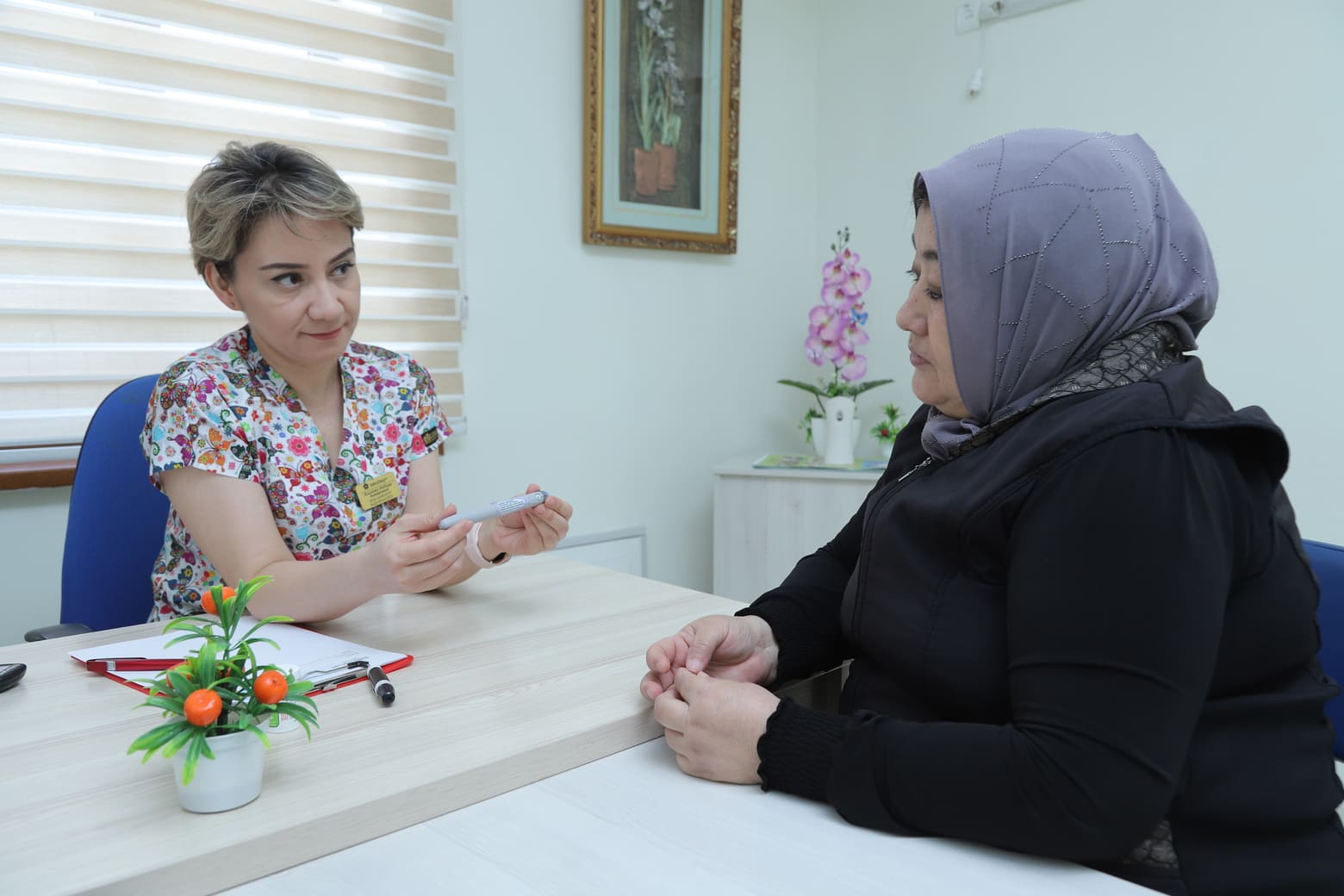
Treatment starts when the gland can no longer supply enough hormone — in overt hypothyroidism and, in some cases, in subclinical hypothyroidism too (when TSH is markedly raised, there are symptoms or a pregnancy is planned). The medicine used is levothyroxine, an exact copy of the T4 your own thyroid makes. It does not switch off the immune process, but it fully replaces the missing hormone. The dose is individual, and only your doctor should change it.
- take the tablet at the same time every day, on an empty stomach, with water;
- iron and calcium supplements and some medicines that reduce stomach acid interfere with absorption, so they are taken several hours apart;
- after a dose change, TSH is rechecked about six to eight weeks later, and usually once a year when things are stable;
- do not stop the tablets or raise the dose on your own, even if you feel well: too much thyroid hormone can harm heart rhythm and bones.
Diet, selenium and iodine: myths and facts
There is a great deal of advice about Hashimoto’s thyroiditis online. Most of it is not backed by good evidence.
| Myth | Fact |
|---|---|
| Raised anti-TPO means you must start hormones straight away | With a normal TSH no treatment is needed — only a periodic TSH check |
| The aim of treatment is to lower antibodies | The aim is a normal TSH and feeling well; antibody levels are not tracked |
| A gluten-free diet treats thyroiditis | No proven benefit unless you have coeliac disease. If coeliac disease is suspected, get tested before changing your diet |
| Everyone should take selenium | Routine use is not recommended; discuss any supplements with your doctor |
| The more iodine, the better | Excess iodine (high-dose supplements, kelp products) may make things worse; ordinary iodised salt in normal amounts is safe |
| Thyroiditis is a pre-cancerous condition | It is not. If a nodule is found, it is assessed by the standard rules |
A varied, balanced diet, enough sleep and regular physical activity will help you feel better, but they cannot replace thyroid hormone.
Hashimoto’s thyroiditis and pregnancy
Thyroid hormones are essential for a baby’s development, especially the brain, and the need for them rises in pregnancy. A woman with raised antibodies or hypothyroidism should therefore have her TSH checked and talk to an endocrinologist before trying to conceive — see also our article on preparing for pregnancy. TSH targets in pregnancy are tighter and checks are more frequent. If you take levothyroxine, tell your doctor as soon as the pregnancy is confirmed, because the dose often needs adjusting early on. Do not stop the tablets: they are safe for the baby and necessary. Thyroid function should also be checked after the birth.
When to seek urgent help
Hashimoto’s thyroiditis progresses slowly, and routine follow-up is usually enough. The exceptions are listed below.
See a doctor the same day if your neck is enlarging rapidly, swallowing has become difficult or your voice has turned hoarse. Call 103 immediately if breathing becomes difficult; if a person with hypothyroidism becomes severely slowed down, extremely drowsy or confused, feels cold to the touch and has a very slow pulse; or if chest pain and a markedly irregular heartbeat develop.
Seeing an endocrinologist at Saba Darmon clinic
Saba Darmon clinic offers consultations with an endocrinologist, TSH, free T4 and anti-TPO blood tests, and thyroid ultrasound. Bring your previous results with their dates, any ultrasound reports and a list of the medicines and supplements you take, and try to find out whether relatives have had thyroid problems. Useful questions to ask: do I need treatment now or is monitoring enough, how often should my TSH be checked, how do my plans for pregnancy affect this, and which supplements should I avoid? The doctor will explain your situation and discuss treatment options and next steps. You can read more on the page of our endocrinology department.
Frequently asked questions
My anti-TPO is raised but my TSH is normal — what should I do?
You do not need hormone treatment in this situation. The antibodies show that your immune system is primed against the thyroid, but the gland is still working fully. The only recommendation is to have your TSH checked about once a year, or sooner if symptoms appear or you are planning a pregnancy. There is no need to repeat anti-TPO: the level fluctuates and does not affect treatment decisions. Supplements claimed to lower antibodies have no proven benefit.
Can Hashimoto’s thyroiditis be cured completely?
There is currently no treatment that switches off the immune process itself, but you can live a full life with this condition. In many people the thyroid works normally for years and no medicine is needed. If hypothyroidism develops, levothyroxine fully replaces the missing hormone: on the right dose TSH returns to normal and symptoms gradually ease. What matters is having blood tests on time and taking the medicine as your doctor prescribes.
Will I have to take levothyroxine for life?
In overt hypothyroidism caused by Hashimoto’s thyroiditis the medicine is usually taken long term, often for life, because the damaged part of the gland does not recover. This is not dependence — the tablet simply replaces your own hormone. In some cases, such as thyroiditis after childbirth, thyroid function can recover and the doctor may try stopping treatment. Never stop it on your own: this is done only with blood test monitoring.
Do I need a gluten-free diet or selenium for Hashimoto’s?
Unless coeliac disease has been confirmed, a gluten-free diet has no proven benefit in autoimmune thyroiditis. Coeliac disease is somewhat more common in people with Hashimoto’s, so if you have bloating, diarrhoea or unexplained anaemia, get tested first rather than changing your diet. Routine selenium supplements are not recommended either, and high-dose iodine supplements may make things worse. Discuss any supplement with your endocrinologist beforehand.
Can I get pregnant and have a healthy baby with Hashimoto’s thyroiditis?
Yes. The main condition is that your thyroid hormone levels are normal. When planning a pregnancy, have your TSH checked in advance and discuss the result with an endocrinologist. If you take levothyroxine, tell your doctor as soon as the pregnancy is confirmed: the dose is often adjusted early and blood tests are done more frequently. Do not stop the tablets — they are safe for the baby. Thyroid function is also monitored after the birth.
Related reading:
Doctors for consultation
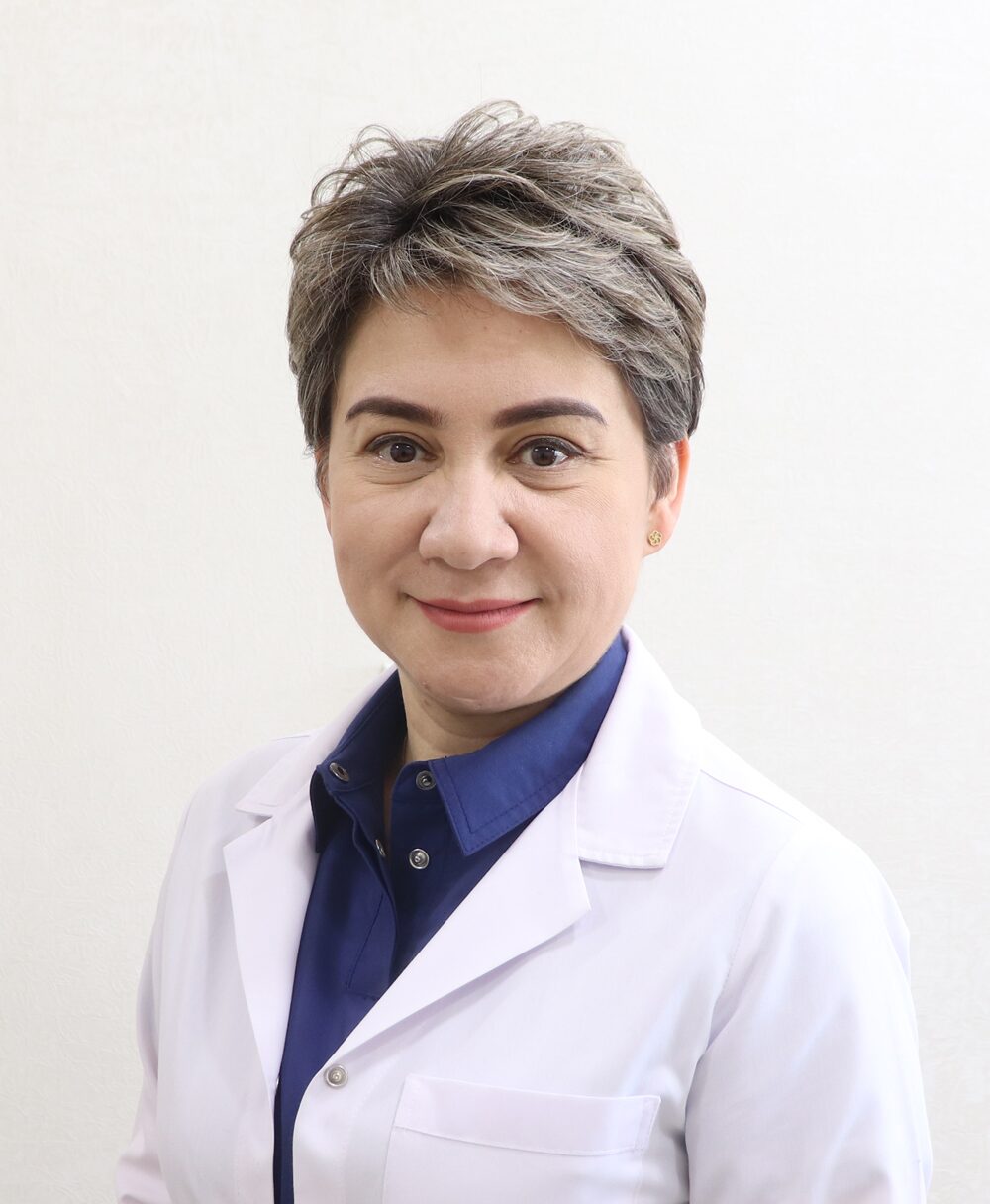
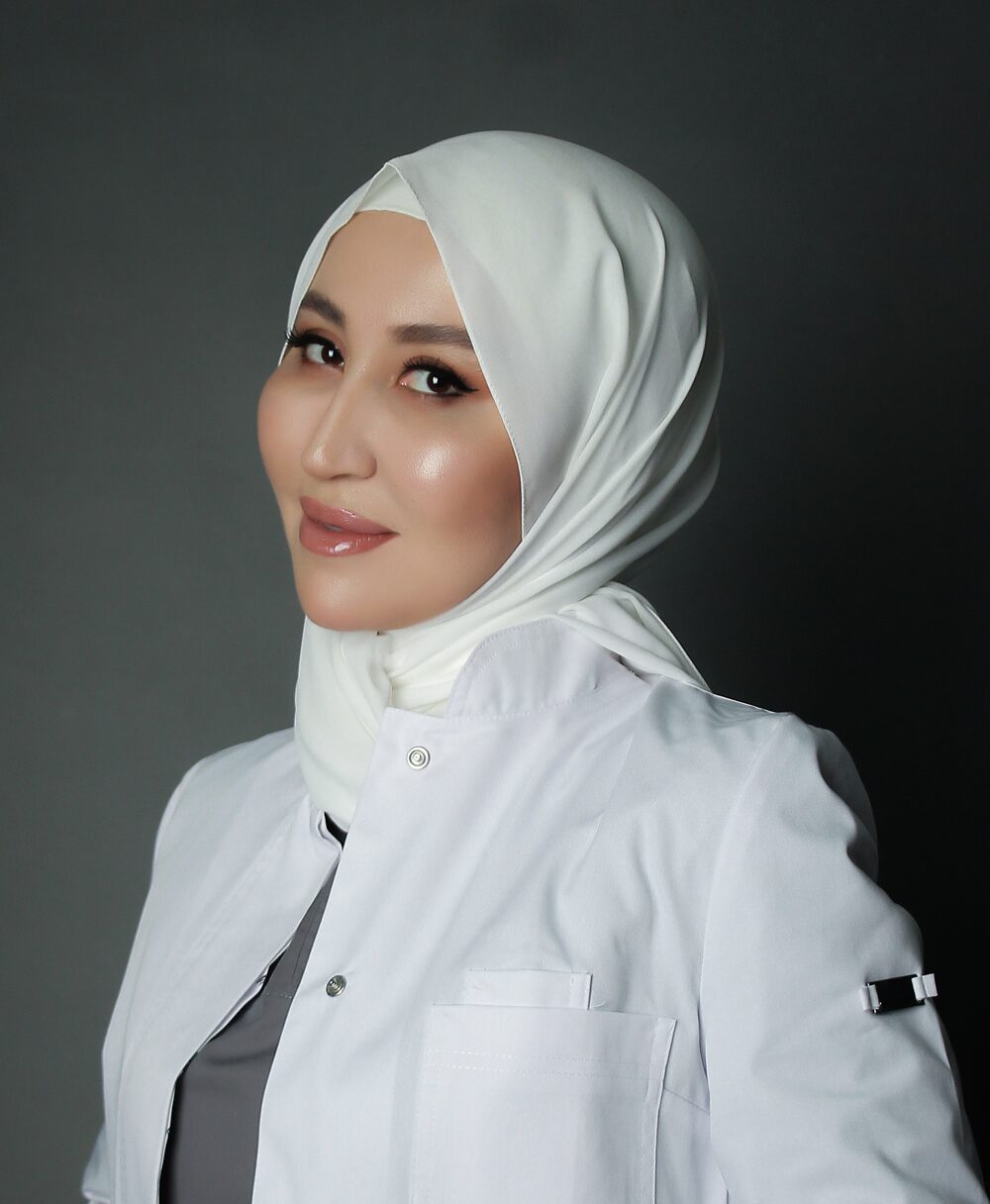
Hashimoto’s thyroiditis and other thyroid conditions are assessed and followed up by our endocrinologists. Our doctors in this field:
Book an appointment with an endocrinologist
Have raised anti-TPO antibodies or a diagnosis of Hashimoto’s thyroiditis? A consultation with an endocrinologist will clarify whether you need treatment or simply monitoring.
Call now — +998 71 210-30-30Contacts
Address: 7A/3 Nurafshon street, Tashkent
Phone: +998 71 210-30-30 · WhatsApp: +998 95 662-30-30
Opening hours: Monday–Saturday, 09:00–18:00
E-mail: