


Useful articles

Gestational Diabetes: High Blood Sugar in Pregnancy — Tests, Diet and Birth
Doctor's blog
sbdrmn
Direction: Robotic surgery · All services
Gestational diabetes is high blood sugar (glucose) that is first found during pregnancy. It usually causes no symptoms and shows up only on blood tests, which is why every pregnant woman is offered a blood sugar check. Below we explain why blood sugar rises in pregnancy, how the glucose test is done, what to know about diet and insulin, how the birth is planned and what needs to be checked afterwards.
Contents
- What gestational diabetes is and why it develops
- Who is at higher risk of gestational diabetes
- Are there symptoms, and how is blood sugar tested in pregnancy
- Gestational diabetes and pre-existing diabetes: what is the difference
- Why untreated gestational diabetes matters for mother and baby
- When to seek urgent help
- Diet, activity and blood sugar monitoring in gestational diabetes
- Pregnancy monitoring and giving birth
- After the birth: will blood sugar return to normal
- Consultation at Saba Darmon: what to bring
- Frequently asked questions
What gestational diabetes is and why it develops
Gestational diabetes (sometimes shortened to GDM) is a problem with blood sugar regulation that appears during pregnancy in a woman who did not have diabetes before. The cause lies in pregnancy itself. From the second half onwards, hormones made by the placenta make the mother’s tissues less sensitive to insulin. This is a natural adaptation: it allows more glucose to reach the growing baby. In most women the pancreas responds by making extra insulin, and blood sugar stays normal. If the pancreas cannot keep up with the added demand, glucose in the blood rises. How reduced insulin sensitivity works is explained in our article on insulin resistance. It is important to know that high blood sugar in pregnancy is not the woman’s “fault”, and it is not simply the result of eating too many sweets. It is a common, well-studied condition which, when found in time, can usually be managed with straightforward measures.
Who is at higher risk of gestational diabetes
Gestational diabetes can develop in any pregnant woman, but it is more likely if you:
- were overweight or living with obesity before pregnancy (see our article on excess weight and obesity management);
- had gestational diabetes in a previous pregnancy;
- have previously given birth to a large baby;
- have a parent, brother or sister with type 2 diabetes;
- have polycystic ovary syndrome;
- are older when you become pregnant;
- gain weight very quickly during pregnancy.
That said, the condition also occurs in women with none of these risk factors. This is why a blood sugar check is recommended for every pregnant woman rather than for a selected few.
Are there symptoms, and how is blood sugar tested in pregnancy
Gestational diabetes usually causes no symptoms at all. Thirst, passing urine often and tiredness may occur, but they are common in any pregnancy, so the diagnosis cannot be made from how you feel. It can only be found with blood tests, and testing is done in two steps.
- Step one — early in pregnancy. At your booking visit, a fasting glucose level is measured in blood taken from a vein. This test can also reveal diabetes that was present before pregnancy but had gone unnoticed.
- Step two — at 24 to 28 weeks. Women whose first result was normal are offered an oral glucose tolerance test.
The test is done in the morning after an overnight fast of at least eight hours; you may drink water. A blood sample is taken first, then you drink 75 g of glucose dissolved in water over a few minutes. Blood is taken again one hour and two hours later. During this time you need to sit quietly, without eating or going for a walk. In the days before the test, eat as you normally do: deliberately cutting down on carbohydrates distorts the result. If you have a cold or a fever, the test is postponed. The limits used in pregnancy are stricter than at other times of life, so the result should be interpreted by your doctor; a home glucose meter is not suitable for making the diagnosis. A full blood count is taken around the same time — read about low haemoglobin in our article on anaemia in pregnancy.
Gestational diabetes and pre-existing diabetes: what is the difference
High blood sugar in a pregnant woman is not always gestational diabetes. Sometimes the test picks up diabetes that existed before conception but had never been diagnosed. Monitoring and the possible consequences differ between the two.
| Feature | Gestational diabetes | Pre-existing diabetes (type 1 or type 2) |
|---|---|---|
| When it starts | During pregnancy, usually in the second half | Before pregnancy; sometimes first detected at the booking test |
| Main cause | Reduced insulin sensitivity caused by placental hormones | Lack of insulin or long-standing insulin resistance |
| Risk to the baby | Mainly excessive growth and difficulties at birth | In addition, if blood sugar is poorly controlled, problems with organ formation in the early weeks |
| Treatment | Diet and activity are often enough; insulin if needed | Usually insulin, with endocrinology care starting before conception |
| After birth | Blood sugar usually returns to normal, but follow-up is needed | Diabetes remains and treatment continues |
Why untreated gestational diabetes matters for mother and baby
Extra glucose in the mother’s blood crosses the placenta to the baby. The baby’s pancreas responds by producing more insulin, and insulin speeds up growth. As a result, the following problems become more likely:
- a large baby, which can make labour difficult, cause the shoulders to become stuck during birth and increase the chance of a caesarean section;
- too much amniotic fluid around the baby;
- high blood pressure and pre-eclampsia in the mother — a serious pregnancy complication marked by rising blood pressure;
- low blood sugar in the newborn during the first hours of life, and more pronounced jaundice;
- a greater tendency for the child to develop excess weight and blood sugar problems later in life.
The good news is that when blood sugar is kept within the target range, these risks fall considerably and the pregnancy usually goes smoothly.
When to seek urgent help
Gestational diabetes itself rarely causes an emergency, but some signs should never be left to wait.
Contact your doctor or maternity unit without delay if your baby’s movements have clearly slowed down or stopped; if you develop a severe headache, blurred vision or flashing lights, pain just below the ribs, or sudden swelling of the face and hands; if your blood pressure rises sharply; if you have vaginal bleeding or your waters break; or if a home reading shows very high blood sugar together with intense thirst, nausea and vomiting. If you are on insulin, shakiness, a cold sweat, sudden hunger and dizziness point to low blood sugar — follow the steps your doctor has taught you. For loss of consciousness, a seizure, heavy bleeding or difficulty breathing, call 103 immediately.
Diet, activity and blood sugar monitoring in gestational diabetes
The foundation of treatment is the way you eat. This does not mean going hungry: strict restriction is harmful in pregnancy, and your baby needs both carbohydrates and protein. The aim is to avoid sharp spikes in blood sugar.
- Eat regularly: three main meals and two or three snacks, without long gaps.
- Choose slow-release carbohydrates: whole grains, pulses, wholemeal bread and vegetables. Spread them evenly through the day.
- Limit sweets, sugary drinks and fruit juice — these raise blood sugar fastest. Whole fruit is better than juice, though still in moderation.
- Include protein at every meal: meat, fish, eggs or dairy products.
- Keep moving: if your doctor agrees, a daily walk, especially after meals, helps to bring blood sugar down.
Your doctor will explain when to check your blood sugar at home with a meter — usually on waking and after meals — and will tell you your target values. Write the readings in a diary and keep an eye on your weight gain. If diet and activity do not achieve the targets within a week or two, insulin is prescribed. Insulin does not cross the placenta and is safe for the baby; needing it is not a sign of “severe diabetes”, only that the pancreas needs help. Tablets are used only if your doctor decides they are appropriate. Do not start or stop any medicine on your own.
Pregnancy monitoring and giving birth
With gestational diabetes, antenatal visits become a little more frequent. Additional ultrasound scans are arranged to assess the baby’s growth and the amount of amniotic fluid, and your blood pressure and urine are checked regularly. The timing and mode of birth are decided individually, taking into account how well your blood sugar is controlled, the baby’s estimated weight and your general health. The diagnosis alone is not a reason for a caesarean section — most women have a vaginal birth. During labour your blood sugar is monitored, and the baby’s glucose is checked in the first hours after birth. Feeding your baby early helps to keep the baby’s blood sugar stable.
After the birth: will blood sugar return to normal
Once the placenta has been delivered, the effect of its hormones disappears, and in most women blood sugar quickly returns to normal; insulin is usually stopped. But gestational diabetes is a warning that your body is prone to blood sugar problems. For this reason you should have your blood sugar tested again 6 to 12 weeks after the birth, and then regularly at the interval your doctor advises. Women who have had gestational diabetes are more likely to develop type 2 diabetes in the years that follow, and the condition may return in a future pregnancy. The steps that lower the risk are simple: breastfeeding, healthy eating, regular physical activity and gradually reaching a healthy weight. If you are planning another baby, have your blood sugar checked beforehand — this is covered in detail in our article on preparing for pregnancy.
Consultation at Saba Darmon: what to bring
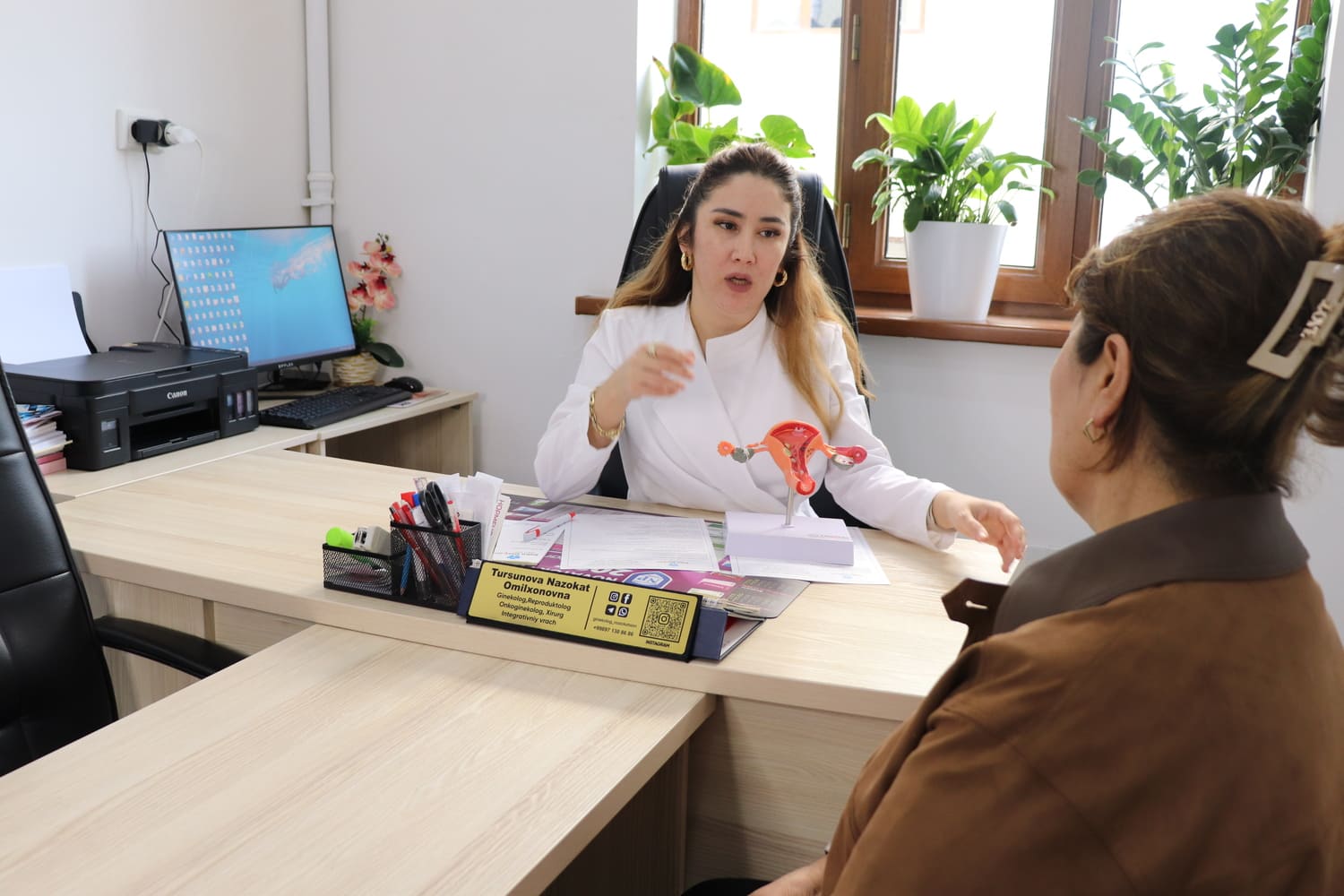
At Saba Darmon Medical Center, pregnant women are cared for by gynaecologists, and if blood sugar regulation is disturbed, a consultation with an endocrinologist is available in the same clinic. Laboratory tests and ultrasound scans are carried out on site. Bring your antenatal record, the results of earlier glucose tests and ultrasound reports, your diary of readings if you already check your blood sugar at home, and a list of all the medicines and vitamins you take. Useful questions to ask: what are my target blood sugar values, how many times a day should I measure, in which situations should I get in touch straight away, when is my next scan, and which test do I need after the birth? You can find out more and book a visit through our gynaecology department.
Frequently asked questions
Is gestational diabetes dangerous for the baby?
Left untreated, the extra glucose makes the baby grow too fast, which can complicate the birth, and the newborn’s blood sugar may drop in the first hours of life. However, when blood sugar is kept within the target range, these risks fall considerably. Gestational diabetes usually begins in the second half of pregnancy, after the baby’s organs have already formed. The key step after diagnosis is therefore to follow the advice you are given and attend regular check-ups.
Do I really need the glucose tolerance test?
Yes. The test at 24 to 28 weeks is recommended for all pregnant women, because gestational diabetes usually causes no symptoms and occurs even in women without risk factors. The test is safe: the amount of glucose in the drink is comparable to the carbohydrate in an ordinary sweet dish. Some women feel a little sick after the drink, but this passes quickly. If diabetes has already been found on the first blood test, the tolerance test is not needed — your doctor will tell you.
What should I avoid eating with gestational diabetes?
It is about limiting rather than banning. Sugar, sweets, cakes, sugary fizzy drinks and fruit juice raise blood sugar very quickly, so keep them to a minimum. White bread, rice and potatoes are best eaten in smaller portions, together with vegetables and protein. Do not go hungry, skip meals or cut out carbohydrates completely — this is harmful for both you and your baby. Work out a detailed eating plan with your doctor.
Can insulin harm my baby during pregnancy?
No. Insulin does not cross the placenta and is the best-studied medicine for lowering blood sugar in pregnancy. It is prescribed only when diet and activity are not enough. Needing insulin does not mean the condition has become severe; it means the pancreas cannot keep up with the demand created by placental hormones. Only your doctor decides on the regimen, and in most cases insulin is stopped after the birth.
Does gestational diabetes go away after the birth?
In most women blood sugar returns to normal soon after the placenta is delivered. Even so, you should have a repeat test 6 to 12 weeks after the birth and regular checks afterwards, because the chance of developing type 2 diabetes in later years is higher. Breastfeeding, healthy eating, regular physical activity and reaching a healthy weight all reduce that risk. The condition can return in a future pregnancy, so it is best to plan ahead.
Related reading:
Doctors for consultation
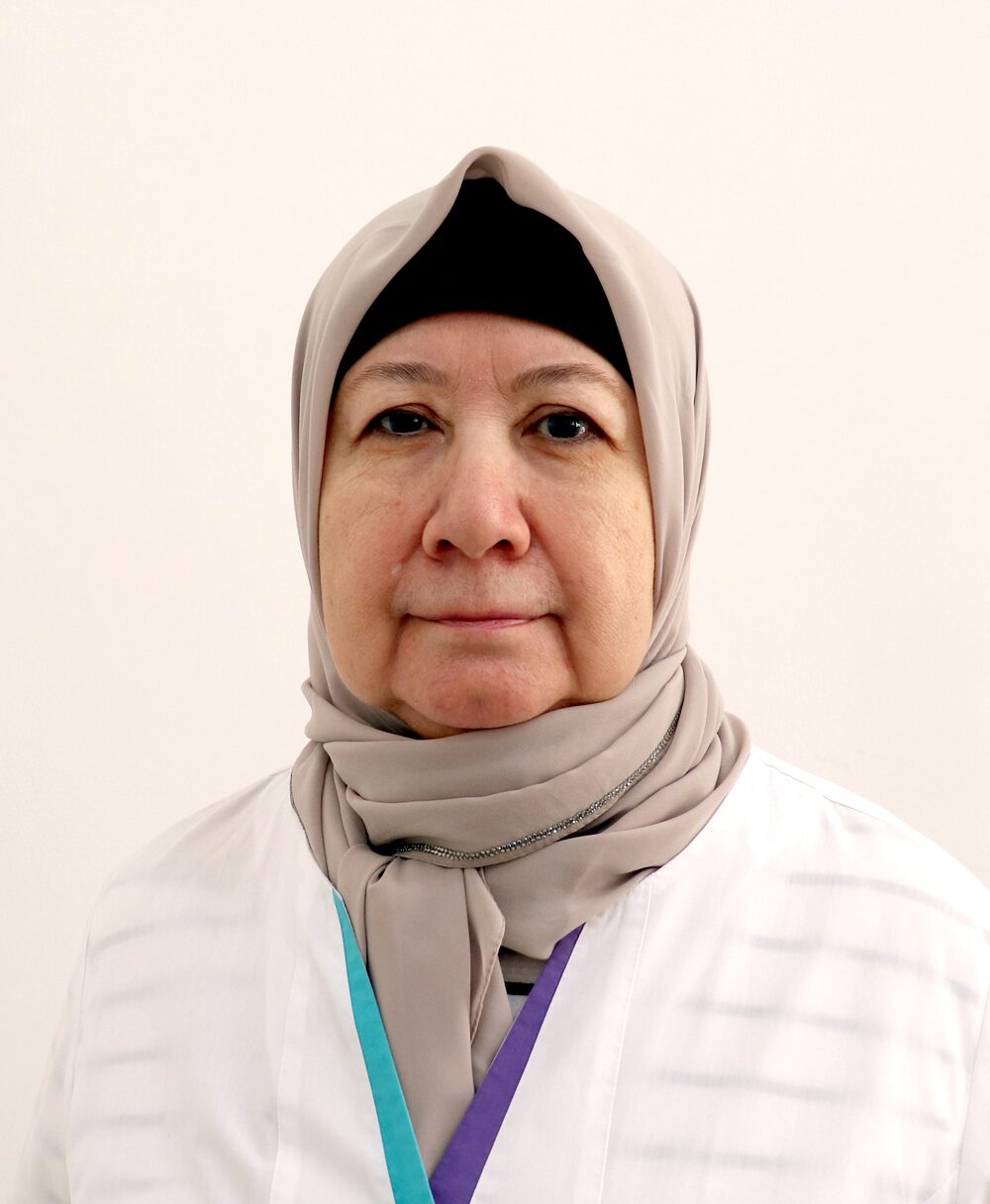
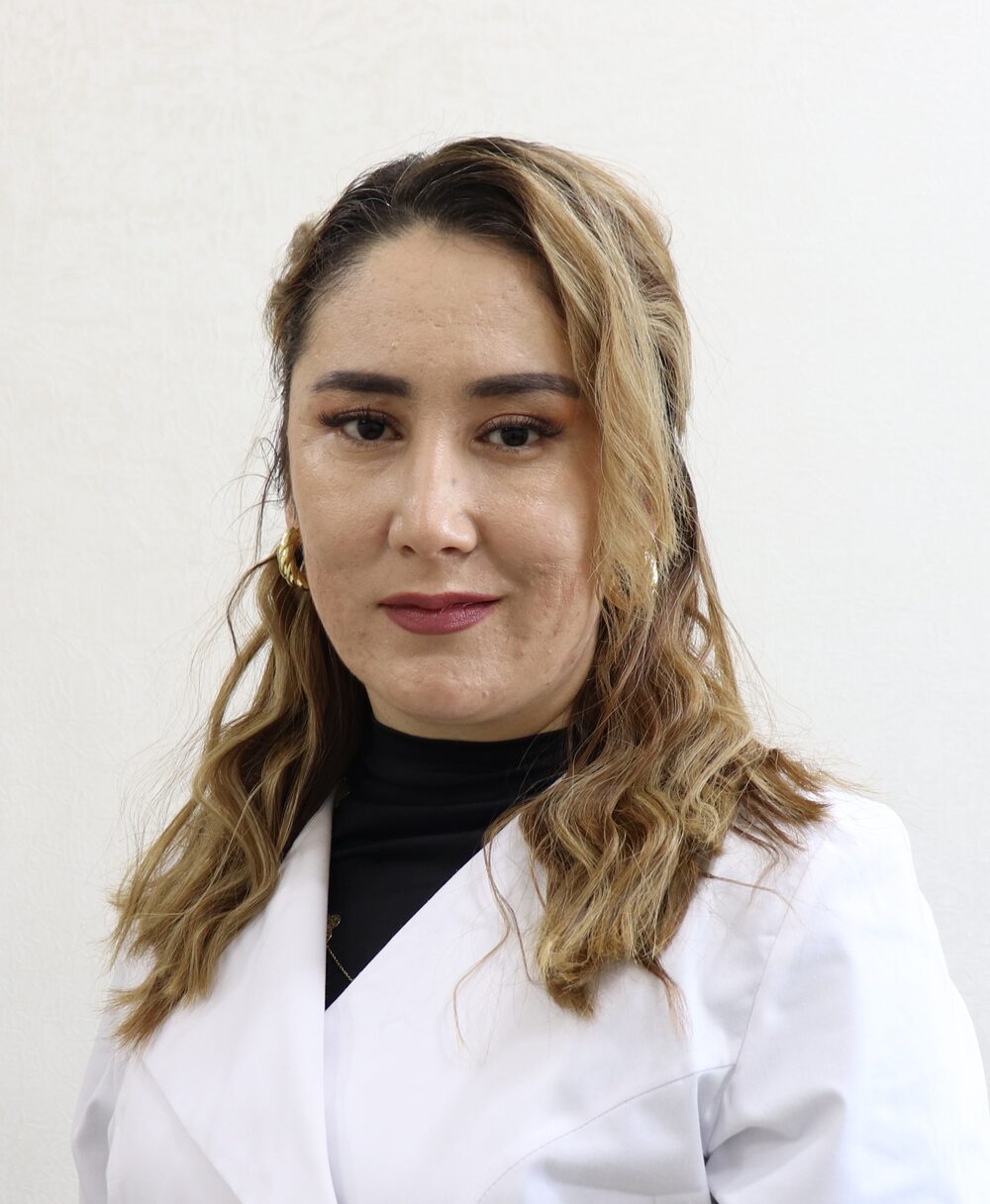
Pregnant women are cared for by our gynaecologists, with an endocrinologist involved when blood sugar regulation is disturbed. Our doctors in this field:





Book an appointment with a gynaecologist
High blood sugar in pregnancy, or a test result you are unsure about? A consultation with a gynaecologist and an endocrinologist will help you plan the next steps.
Call now — +998 71 210-30-30Contacts
Address: 7A/3 Nurafshon street, Tashkent
Phone: +998 71 210-30-30 · WhatsApp: +998 95 662-30-30
Opening hours: Monday–Saturday, 09:00–18:00
E-mail: