


Useful articles

Asthma in Children: Symptoms, Help During an Attack and Long-Term Control
Doctor's blog
sbdrmn
Direction: Robotic surgery · All services
Asthma in children is a long-term inflammation of the airways in which the breathing tubes narrow from time to time, causing wheeze, cough and breathlessness. Parents usually have two questions: is it really asthma, and what should we do during an attack? This guide explains the symptoms, how asthma differs from viral wheeze, how inhalers work, first aid in an attack, common myths and how to keep the condition under control over the years.
Contents
- What is asthma in children?
- Symptoms of asthma in children and common triggers
- Not every wheeze is asthma: viral wheeze and other causes
- How asthma is diagnosed
- Treatment: reliever inhaler and controller therapy
- Inhaler, spacer and a written action plan
- Help during an asthma attack: what to do at home and when to call 103
- Common myths about asthma
- Everyday life: preventing attacks
- Seeing a paediatrician at Saba Darmon clinic
- Frequently asked questions
What is asthma in children?
In asthma the lining of the airways is constantly inflamed and over-sensitive. When something triggers it, the muscle around the airways tightens, the lining swells and sticky mucus builds up, so the airways narrow and the child wheezes. The hallmark of asthma is that this narrowing is variable: it eases by itself or with medicine and may then return. Asthma is one of the commonest long-term conditions of childhood. It cannot be removed for good, but with the right treatment it is well controlled: the child sleeps through the night, goes to school and plays sport alongside friends.
Symptoms of asthma in children and common triggers
Asthma typically causes repeated episodes of:
- wheeze — a whistling sound when breathing out;
- cough, especially at night and in the early morning, or with running, laughing or cold air;
- chest tightness (a young child may say their chest or tummy hurts);
- breathlessness and tiring quickly during active play.
The commonest trigger is a viral cold. Others are allergens (house dust mite, pets, pollen, mould), tobacco smoke, exercise, cold air and strong smells. Asthma is more likely if the child has eczema or hay fever, or if asthma runs in the family.
Not every wheeze is asthma: viral wheeze and other causes
Many children under five wheeze with viral infections, and most grow out of it. One or two episodes therefore do not mean asthma.
| Feature | Asthma | Recurrent viral wheeze (bronchitis) | Foreign body and other causes |
|---|---|---|---|
| When it happens | With colds and between them: at night, with running or laughing | Only with a cold; the child is well in between | Suddenly, often after choking while eating or playing |
| Link with allergy | Often eczema, hay fever or asthma in the family | Usually none | Unrelated |
| Response to reliever medicine | Clear relief | Partial or inconsistent | None, or very brief |
| Signs to note | Episodes keep returning and wake the child at night | Fever and a runny nose | Wheeze on one side, a cough that drags on, poor weight gain |
Toddlers love putting small objects into their nose and mouth — see a foreign body in a child’s nose or ear; an object in the airway is an emergency. If the night-time problem is not a cough but snoring with pauses in breathing, read about snoring and sleep apnoea. In babies, frequent chest illnesses sometimes occur alongside rickets and vitamin D deficiency. Telling these apart is the doctor’s job.
How asthma is diagnosed
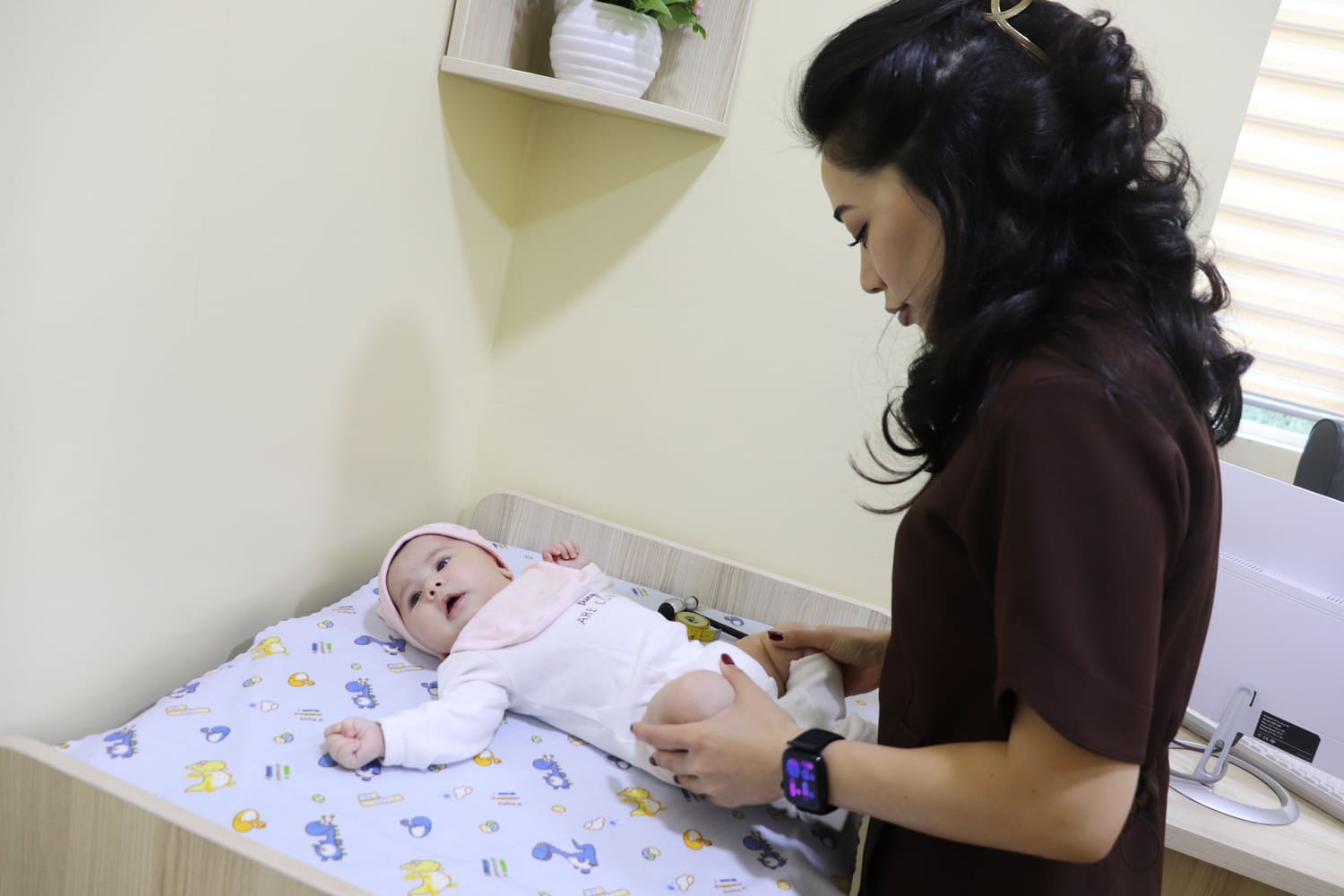
In young children no single test confirms asthma. The paediatrician looks at the pattern of symptoms, the triggers and any allergic conditions in the family, listens to the chest and often prescribes a trial of treatment: a clear improvement supports the diagnosis. From about five or six years of age, breathing tests become possible — spirometry with a bronchodilator test; the doctor will refer your child for this, and for allergy testing, if needed. A chest X-ray does not confirm asthma and is not routine: it is done when another cause is suspected (when an X-ray is needed). A symptom diary and a short video recorded during a wheezy spell are very helpful at the appointment.
Treatment: reliever inhaler and controller therapy
According to international guidance (GINA), asthma treatment has two parts with different jobs.
| Reliever inhaler | Controller (preventer) therapy | |
|---|---|---|
| What it does | Opens narrowed airways within minutes | Reduces inflammation and prevents attacks |
| When it is used | When symptoms appear, as set out in the action plan | Every day, even when the child is well |
| Type of medicine | Fast-acting bronchodilator | Inhaled corticosteroid, sometimes with other classes |
| Good to know | Needing it often means asthma is not controlled — see the doctor | Never stopped without medical advice |
An inhaled steroid goes straight to the airways, so at the amount prescribed by the doctor it is considered safe. Any effect on growth is small and far outweighed by the harm of uncontrolled asthma. Some older children are prescribed a combination inhaler that does both jobs. Treatment is reviewed every few months, and once asthma has been well controlled for some time the doctor steps it down gradually.
Inhaler, spacer and a written action plan
Technique decides whether the medicine reaches the airways. Children take a metered-dose inhaler through a spacer — a holding chamber — and young children need a spacer with a mask. When treatment “isn’t working”, faulty technique is very often the reason, so show the doctor how you use the inhaler at every visit. Every family should have a written action plan: daily medicines, signs of worsening, what to do in an attack and when to call for help. Give a copy to the nursery or school.
Help during an asthma attack: what to do at home and when to call 103
- Stay calm and reassure your child — panic makes breathing harder.
- Sit your child upright; do not lie them down. Loosen tight clothing.
- Give the reliever inhaler through the spacer exactly as written in the action plan.
- Watch their breathing. Even if it eases, contact your doctor the same day.
Call 103 immediately if: the reliever does not help or wears off quickly; the lips or nails turn blue; your child is too breathless to speak, feed or drink; the skin between the ribs or at the base of the throat is sucked in with each breath; or your child is exhausted, floppy or drowsy. While you wait for help, keep giving the reliever as set out in the action plan.
Common myths about asthma
- “Steroids are dangerous.” An inhaled steroid acts locally and in a very small amount; untreated asthma is the real threat to a child’s lungs and life.
- “Inhalers are addictive.” They are not. Needing the reliever often is a sign of poor control.
- “They will grow out of it, so treatment is unnecessary.” Symptoms do fade in some children, but no one can predict this, and years without treatment raise the risk of severe attacks.
- “Children with asthma must avoid sport.” On the contrary: with good control, physical activity is encouraged.
Everyday life: preventing attacks
Nobody should smoke in the home or car — tobacco smoke is among the strongest triggers. Allergen measures are worthwhile only for a proven sensitivity: frequent damp-dusting of the bedroom, hot-washing bedding, keeping windows shut in the pollen season. A flu vaccination every year is recommended. Sport and active play are not restricted; symptoms on exertion are a reason to review treatment. As your child grows, teach them to use the inhaler correctly on their own.
Seeing a paediatrician at Saba Darmon clinic
At Saba Darmon Medical Center your child is examined by a paediatrician; laboratory tests are available, and an X-ray or CT scan is done when needed. If spirometry or allergy testing is required, the doctor will explain how to arrange it and give a referral. Bring your child’s inhaler and spacer, previous reports and a symptom diary. Questions worth asking: which medicine is for every day and which only for symptoms; is our inhaler technique correct; when is the next review; which signs mean we should call for help at once. Babies’ breathing is also assessed at routine paediatric check-ups in the first year. To book a visit, contact our paediatric department.
Frequently asked questions
How can I tell if my child has asthma?
Asthma typically causes repeated wheeze, a cough that is worse at night or in the early morning, and breathlessness with running or laughing. It is more likely if symptoms occur between colds as well as during them, if your child has eczema or hay fever, or if asthma runs in the family. One or two wheezy episodes are not a diagnosis. The paediatrician weighs up the history, the examination and the response to a trial of treatment; older children have breathing tests.
Do inhaled steroids affect a child’s growth?
An inhaled corticosteroid goes straight to the airways and very little reaches the bloodstream, so at the amount prescribed by the doctor it is considered safe. Any effect on height is small, while the harm of uncontrolled asthma — night-time attacks, hospital admissions, reduced lung function — is far more serious. The doctor always aims for the least treatment that keeps asthma controlled and monitors your child’s growth. Do not stop the medicine on your own.
What should I do at home during an asthma attack?
Reassure your child, sit them upright and loosen tight clothing. Give the reliever inhaler through the spacer as set out in the written action plan and watch their breathing. If the medicine does not help, the lips turn blue, your child cannot speak or drink, the skin between the ribs is sucked in or they are exhausted, call 103 immediately. Even if the attack settles, contact your doctor the same day, as the treatment may need to be reviewed.
Will my child grow out of asthma?
In some children, especially those who wheezed only with viral infections, symptoms ease or disappear by school age. Asthma linked to allergy tends to last longer and may return later in life. Nobody can predict this reliably in advance, so treatment should not be abandoned in the hope that it will pass by itself. Good control helps your child’s lungs develop normally, and the decision to reduce treatment is made by the doctor.
Can a child with asthma do sport?
Yes — and it is encouraged. Physical activity strengthens the lungs and heart and helps keep weight healthy. If running or active play brings on coughing and wheezing, that is a reason to review the treatment, not to ban sport. The coach and teacher should know about the diagnosis, and the reliever inhaler should always be within reach. The doctor will write down in the action plan what to do before exercise.
Related reading:
Doctors for consultation
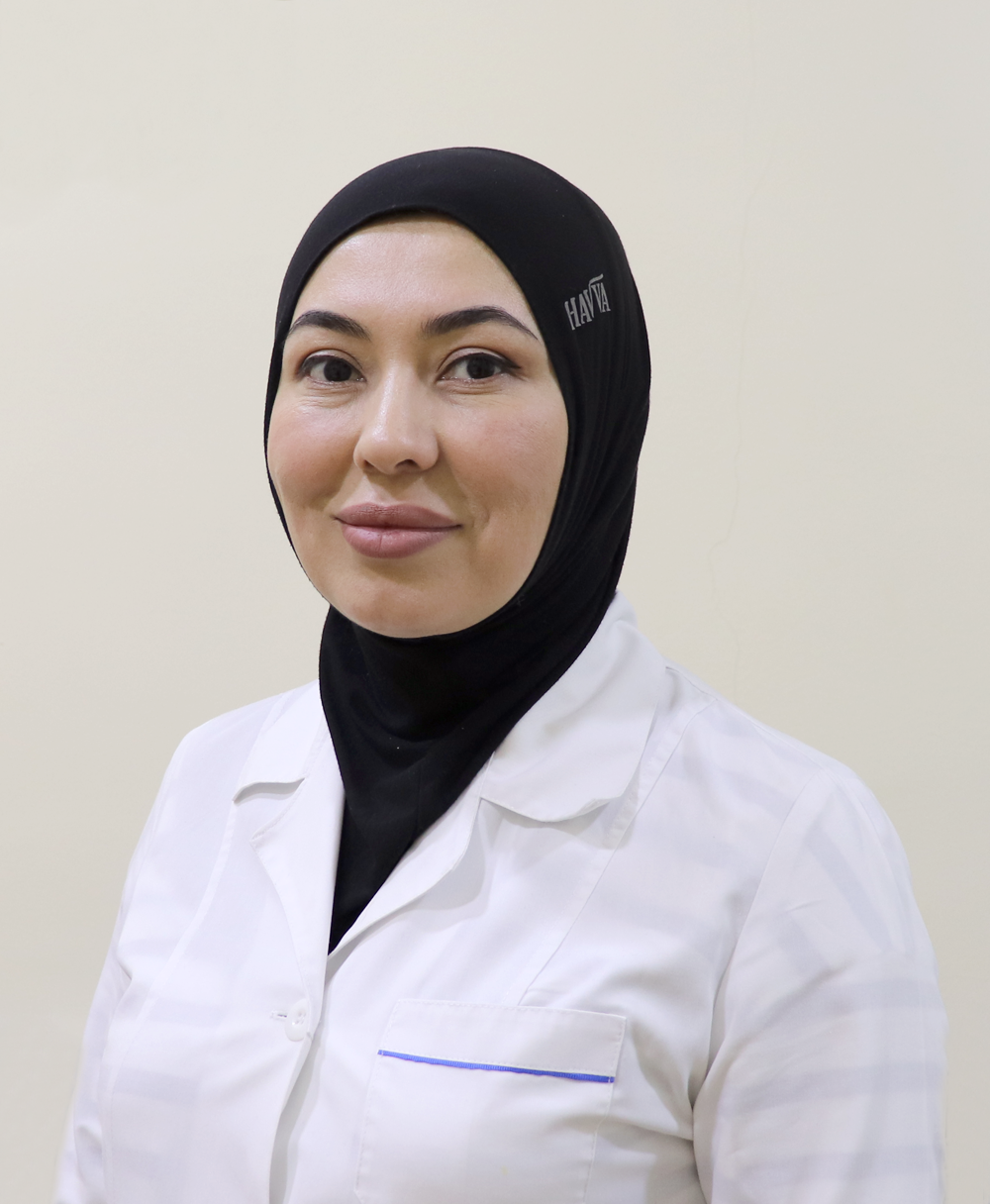
Asthma in children is diagnosed and followed up over time by our paediatrician. Our doctor in this field:
Book an appointment with a paediatrician
Does your child keep having a night-time cough or wheeze? A paediatric consultation will help find the cause and bring attacks under control.
Call now — +998 71 210-30-30Contacts
Address: 7A/3 Nurafshon street, Tashkent
Phone: +998 71 210-30-30 · WhatsApp: +998 95 662-30-30
Opening hours: Monday–Saturday, 09:00–18:00
E-mail: